
Tel: 403.259.0005
Tel: 403.259.0005
10+ Excavators for Rent in Alberta: Choose which One Fits Your Project?
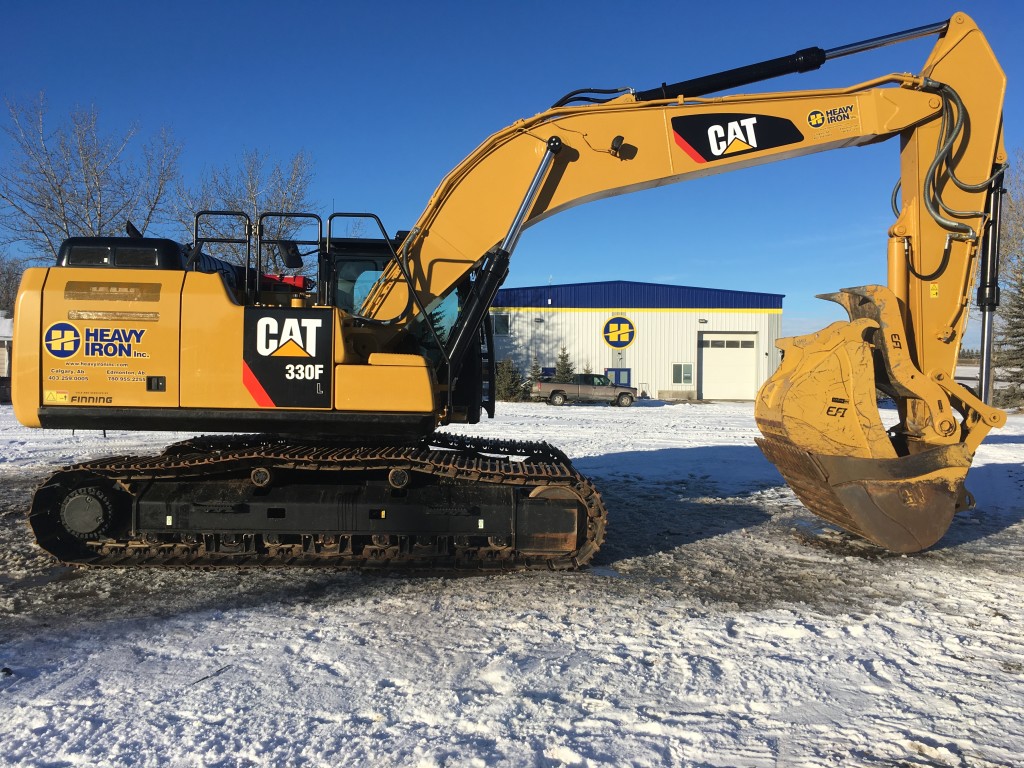
Excavators come in more variations than most people expect, and each size class exists to solve a different kind of job. For contractors and site managers in Alberta, understanding those differences before renting isn’t optional. It’s what decides whether the machine on-site actually earns its cost or sits underused for half a project.
A 5-ton excavator and a 400-size unit aren’t smaller and bigger versions of the same tool. They’re built for entirely different work: tight urban lots versus open industrial sites, light digging versus heavy earthmoving. Picking based on tonnage alone, without matching it to dig depth, reach, or ground conditions, is how projects end up paying for capability they never use.
Heavy Iron Inc. offers excavator rental in Alberta across 13 classes, from 5-ton machines to 890-size units built for mining-scale work. This guide breaks each class down by size and use case, so contractors can choose based on the job – not the number on a spec sheet.
Excavator Classes: Which Size Fits Your Project?
Excavators get grouped into classes based on operating weight, and each class covers a set of models built for a similar range of work.
The breakdown below covers Heavy Iron’s rental fleet, smallest to largest, along with what each class is actually built to handle.
Mini Excavators (5–10 Ton)
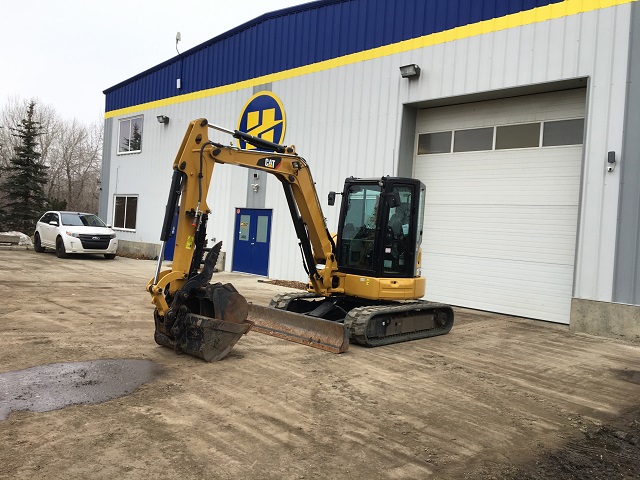
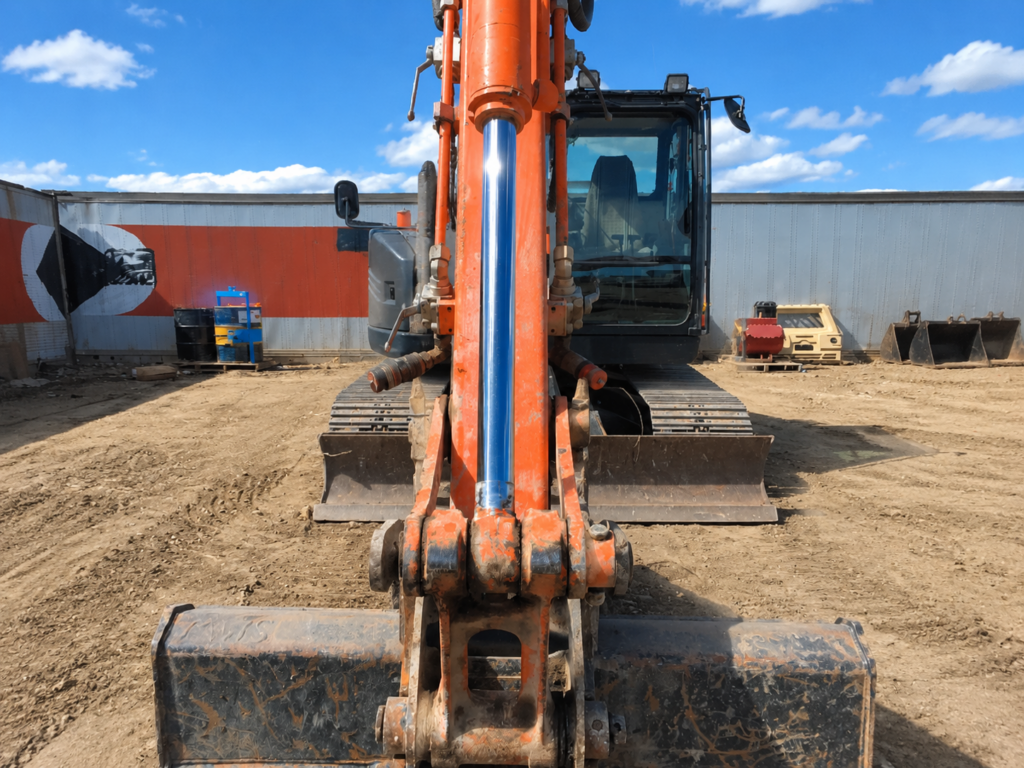
Mini excavators are built to work where larger machines can’t fit. Their compact frame passes through standard gates, works close to a foundation, and turns within its own footprint on a lot with no space to manoeuvre around it.
Models: 5-Ton Excavator and 7-Ton Excavator
Benefits:
- Fits through narrow gates and tight access points where larger machines can’t
- Lower ground pressure, protecting lawns and finished surfaces
Best for:
- Residential landscaping
- Utility trenching and pipe repair
Compact Excavators (10–20 Ton)
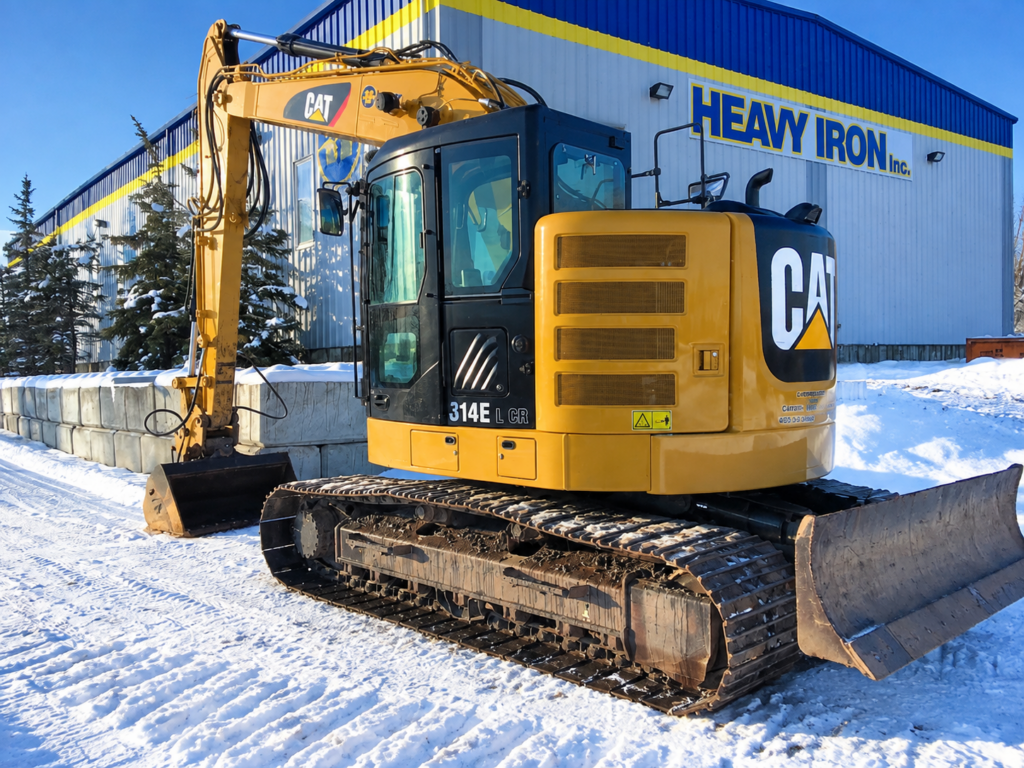
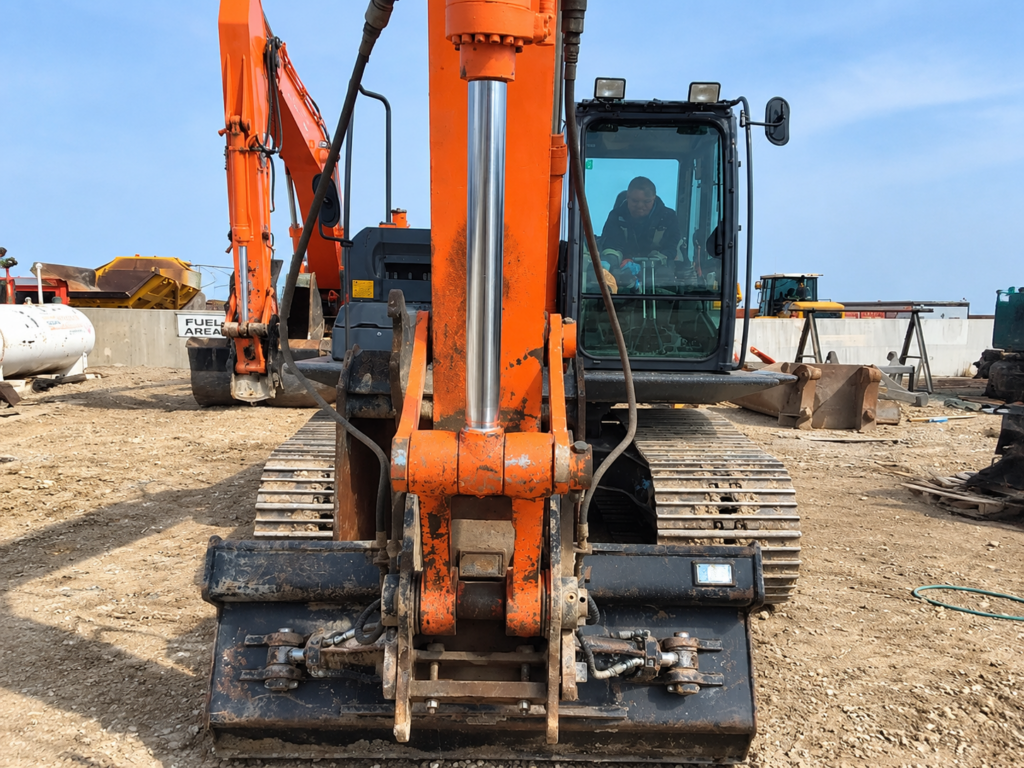
Compact excavators are built for jobs a mini excavator can’t handle. They dig deeper and lift more, without the size or cost of stepping up to a mid-size machine, and still work efficiently on standard commercial and residential sites.
Models: 135 Size Excavator and 160 Size Excavator
Benefits:
- Handles larger loads and deeper digs than mini excavators
- Balances power and footprint for general-purpose earthmoving
Best for:
- General construction projects
- Foundation digging
- Site preparation
Mid-Size Excavators (20–30 Ton)
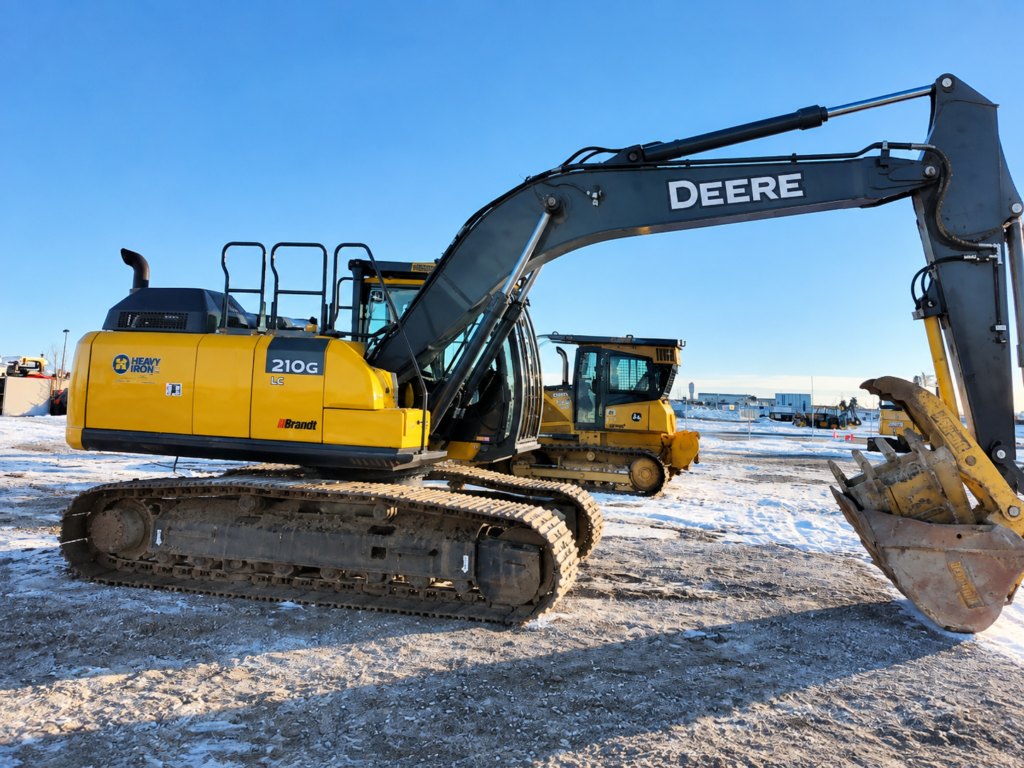
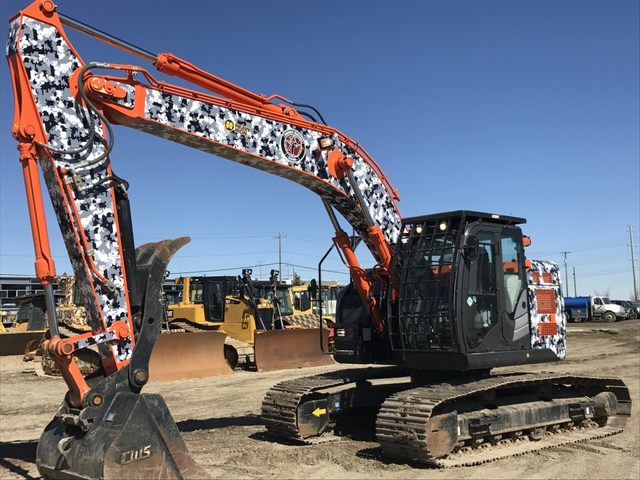
Mid-size excavators are built for tougher ground and heavier loads than a compact excavator can handle. They deliver that extra power without the size or cost of a full-size machine and still work efficiently on a standard commercial site.
Models: 200 Size Excavator and 245/250 Size Excavator
Benefits:
- Greater digging power and load capacity for demanding sites
- Balances output with practical site manoeuvrability
Best for:
- Road work and grading
- Commercial construction projects
- Large-scale excavation
Heavy Excavators (30–40 Ton)
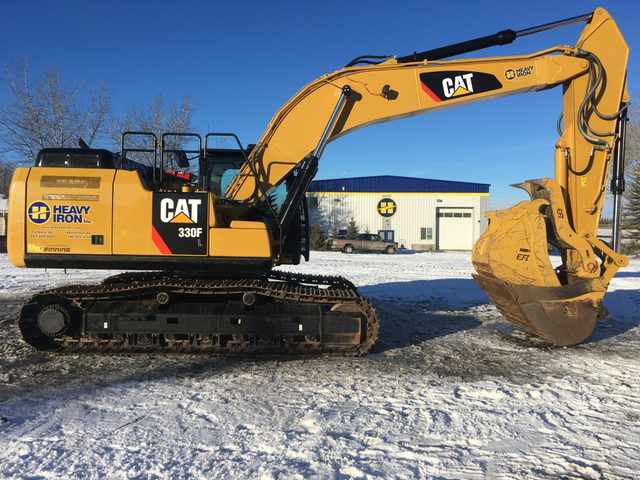
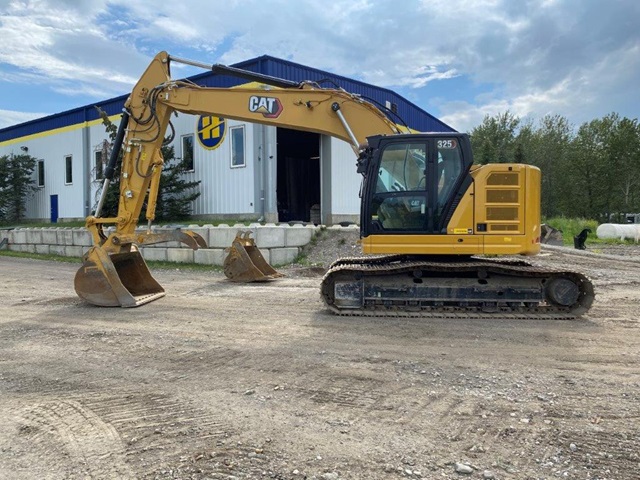
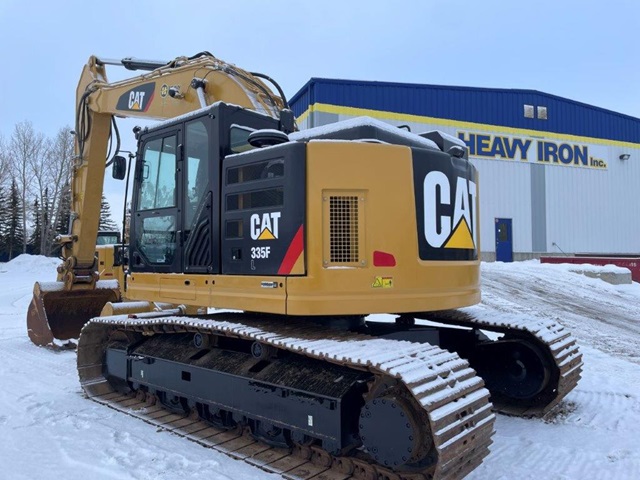
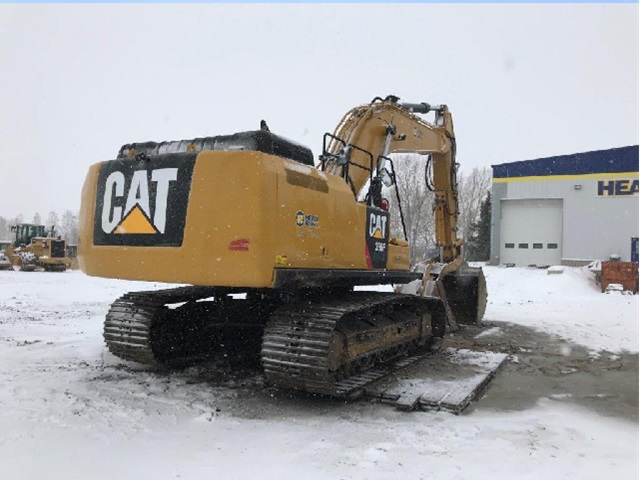
Heavy excavators are built for output, moving more material, digging deeper, and working faster on large-scale jobs. Two models in this class break that pattern: the 325 and 335F use a reduced radius design, so they work closer to obstacles despite their size. The 325 also offers GPS grade control for projects that need precision, not just power.
Models: 290/300 Size Excavator, 325 Size Reduced Radius Excavator, 335F Reduced Radius Excavator, 336/350 Size Excavator
Benefits:
- Higher digging power and load capacity for demanding projects
- Reduced-radius models work closer to obstacles than standard heavy machines
- GPS grade control available on select models for precise grading
Best for:
- Large commercial and industrial excavation
- Pipeline and infrastructure work
- Projects requiring both power and precision grading
Large Excavators (40–60 Ton)
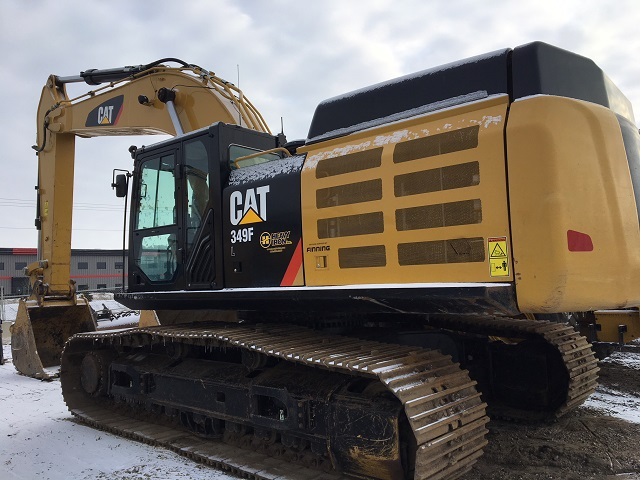
The 400 Size Excavator is built for projects where scale is the job, not an obstacle to work around. At this size, the machine is moving significant volumes of material with each cycle, suited to sites with the room to match its output.
Models: 400 Size Excavator
Benefits:
- High digging and lifting capacity for large-volume projects
- Efficient material handling on open, large-scale sites
Best for:
- Major infrastructure projects
- Large-scale excavation and earthmoving
- Industrial site development
Mining-Class Excavators (60+ Ton)
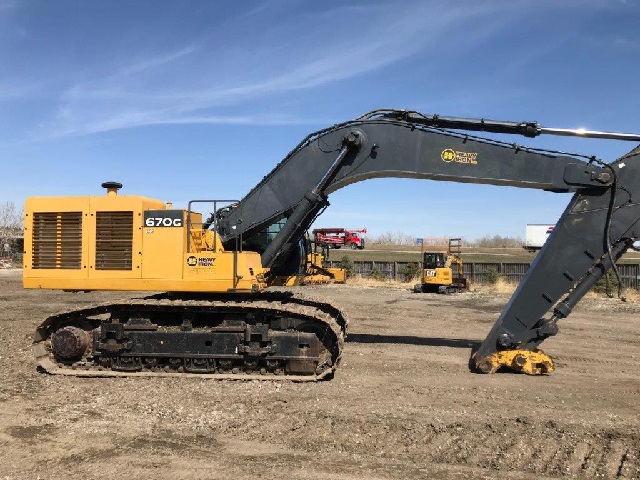
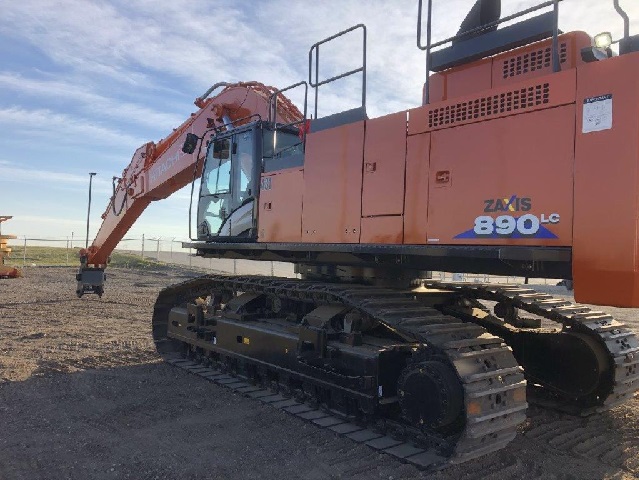
At 60 tons and up, these machines are built for the heaviest work in the industry, moving massive volumes of material where smaller classes simply can’t keep pace. The 670 and 890 size units are suited to sites where scale defines every part of the job.
Models: 670 Size Excavator and 890 Size Excavator
Benefits:
- Maximum digging and lifting capacity for large-scale operations
- Handles high-volume material movement efficiently
- Built to sustain heavy, continuous use on demanding sites
Best for:
- Mining and quarry operations
- Large-scale industrial excavation
- Heavy-duty material handling on major projects
How to Choose the Right Excavator for Your Alberta Project
Picking the right excavator rental in Alberta comes down to a handful of factors, not tonnage alone. Working through them in order narrows the decision fast and rules out machines that look right on paper but wouldn’t work on your actual site.
Project Type
The nature of the work, trenching, grading, demolition, or heavy earthmoving, sets the baseline for everything else. It’s the first filter before size or attachments even come into play.
Jobsite Access & Space
Gate widths, overhead clearance, and room to manoeuvre can rule out a class before digging needs are even considered. A powerful machine is useless if it can’t reach the work area.
Digging Depth & Reach
Trench depth and how far the machine needs to reach from a fixed position determine the minimum size class capable of doing the job without repositioning constantly.
Ground Conditions
Soft, uneven, or unstable ground affects stability and traction differently across classes. Matching the machine to the terrain avoids downtime and safety risks.
Bucket Capacity & Attachments
The right bucket size and attachment, thumb, coupler, or grade control system, affects how efficiently material moves and how precise the work can be.
Lifting Capacity
Jobs involving pipe placement or heavy material handling need enough lift capacity on top of digging power, which varies more between classes than people expect.
Excavator Size/Class
Once the factors above are clear, the right class becomes obvious. Size is the outcome of these decisions, not the starting point.
Rental Cost vs. Productivity
The cheapest machine isn’t always the most cost-effective one. Renting through an equipment rental agency gives access to the right class for each project, instead of paying for capacity that sits unused.
Conclusion
Most excavator rental mistakes happen before the machine ever reaches the site, usually from picking the size first and checking the job second. The seven factors above flip that order, and that’s the difference between a machine that earns its cost and one that fights the project the whole way through.
Heavy Iron Inc. offers 14 rental classes across Alberta, from 5-ton units for tight residential lots to 890-size equipment built for mining-scale work. A heavy-duty mechanic in Alberta backs every rental, so the fleet stays running when a project needs it. Contact us today or browse our excavator rental inventory to find the right fit.
Frequently Asked Questions (FAQs)
1. Can I upgrade or switch machines if the one I rented doesn’t fit the job?
Most rental companies let you switch to a better-fitting machine once you’re on-site. Confirm swap policies and any extra fees with your supplier beforehand.
2. Do I need a license to operate a rented excavator?
Alberta doesn’t require a dedicated excavator license, but operators need proper training and safety competency. Some job sites or employers may still ask for specific certification.
3. What happens if the machine breaks down during my rental?
Reputable rental companies repair or replace faulty equipment quickly and may credit you for downtime. Always ask about breakdown policies before signing your rental agreement.
4. Can one excavator handle different types of work, or do I need separate machines?
A single excavator with interchangeable attachments can handle multiple job types without extra machines. This saves money and simplifies your equipment planning.
5. What’s included in the rental price?
Base pricing usually covers the machine and routine maintenance during your rental period. Fuel, attachments, delivery, and damage waivers are often separate costs.