
Tel: 403.259.0005
Tel: 403.259.0005
Heavy Equipment Rental: Top Machines, Models, Uses, and Key Specifications
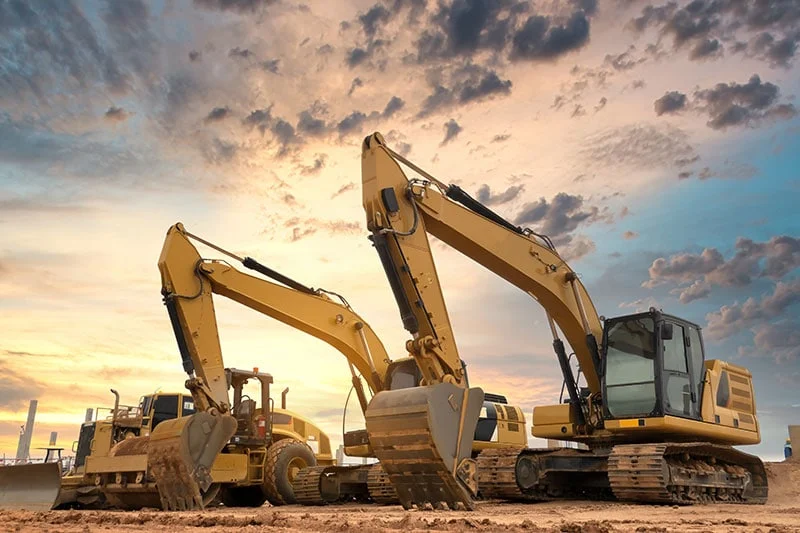
Renting heavy equipment in 2026 requires some planning. Contractors searching for construction equipment for rent need to consider machine availability, project requirements, attachments, site conditions, and rental duration before choosing the right equipment.
For contractors in Alberta, having the right machine available when a project needs it can help keep work moving and reduce unnecessary delays. Choosing the right equipment is not just about machine size; it is also about matching the machine and attachments to the work being performed.
This guide covers some of the top machines available for rent, what they are commonly used for, the key specifications worth knowing before you commit, and how different machine options compare.
Top Construction Equipment for Rent in Alberta
Here’s a breakdown of the machines contractors across Alberta rely on, what they’re built for, and what to know before you put one to work.
1. FYREBX

FYREBX is a skid steer and compact track loader attachment designed to provide a mobile water unit for applications such as firefighting, dust control, road spraying, and hydroseeding. The T3 and T5 models differ primarily in their water capacity and configuration.
Used For:
- Firefighting and fire suppression
- Dust control and road spraying
- Hydroseeding
- Water transport on remote sites
Key Specifications and Capabilities:
- FYREBX T3: full weight of 3,400 lbs, flow rate of 5-250 GPM, mounts to any compatible compact track loader
- FYREBX T5: up to 500 gallons of water, four nozzle types, onboard 250 GPM hydraulic pump
Why Choose FYREBX:
FYREBX can be useful when a project needs water for firefighting, dust suppression, road work, or hydroseeding without bringing a separate dedicated water unit into every work area. The T3 is the smaller option, while the T5 provides greater water capacity and additional water-delivery capability.
2. Dozers

Dozers are built for pushing, grading, clearing, and moving large amounts of material. Two models worth knowing are the CAT D6T LGP/XW and the JD 850K WLT, both equipped with a PAT blade and available with ripper configurations.
Used For:
- Land clearing and site grading
- Pushing and moving large volumes of material
- Road and pad construction
- Site preparation
Key Specifications and Capabilities:
- CAT D6T LGP/XW: cab with heat and A/C, PAT blade, available with winch or ripper
- JD 850K WLT: cab with heat and A/C, PAT blade, available with MS ripper
How the Dozers Compare:
Both machines are designed for demanding grading and earthmoving work. The CAT D6T LGP/XW provides flexibility with a winch or ripper configuration, while the JD 850K WLT is listed with an MS ripper. The right choice depends on the type of material, grading requirements, and attachment needed for the project.
3. Excavators
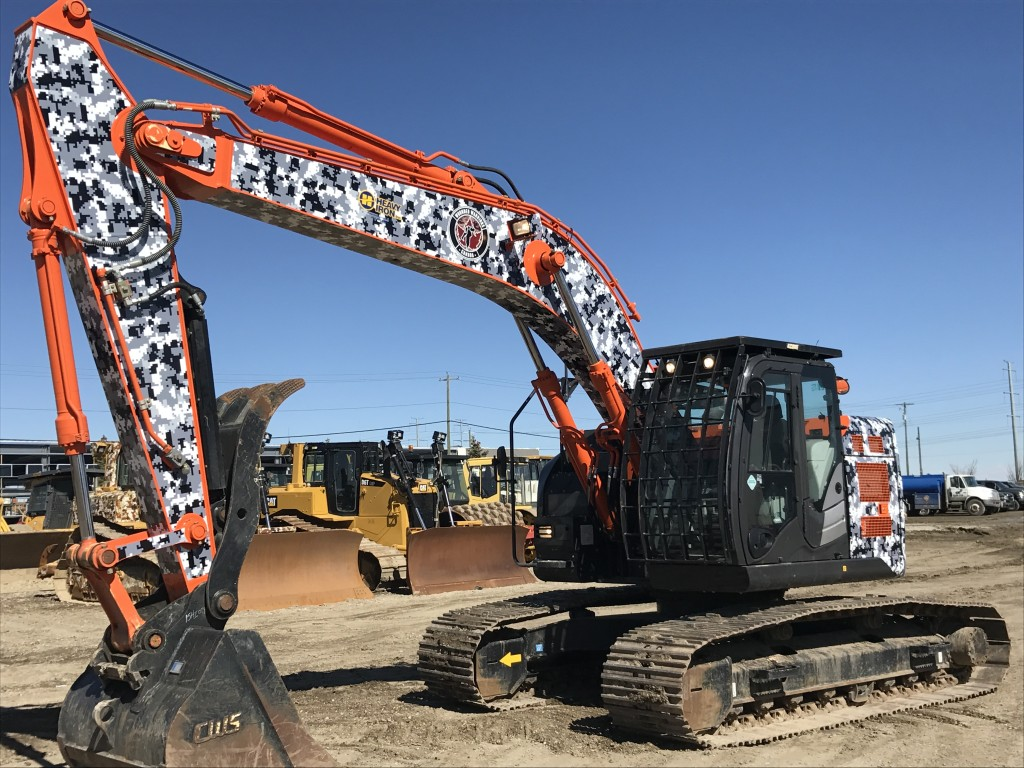
Excavators cover a wide range of jobs depending on class size, from general excavation to large-scale earthmoving. Three models worth knowing span that range: the 160-size excavator, the 245/250-size excavator, and the 670-size excavator.
Used For:
- General excavation, trenching, and site work
- Larger-volume excavation and material handling
- Large-scale earthmoving and heavy construction
- Site preparation across small to large-scale projects
Key Specifications and Capabilities:
- 160 Size Excavators: cab with heat and A/C, 2 buckets, thumb, auxiliary hydraulics
- 245/250 Size Excavators: cab with heat and A/C, 2 buckets, thumb, auxiliary hydraulics
- 670 Size Excavators: cab with heat and A/C, 72″ dig bucket, manual coupler, counterweight removal
How the Excavators Compare:
The 160-size excavator is suited to general excavation and site work, while the 245/250 provides a larger machine for higher-volume excavation. The 670 is a substantially larger excavator for projects requiring greater machine capacity and a 72-inch digging bucket.
4. Skid Steers

Skid steers handle tight-space work where larger equipment may have limited access. They can be used for material handling, site cleanup, landscaping, and a wide range of attachment-based applications. Two models worth knowing are the CAT 259D and the CAT 299D3.
Used For:
- Construction, landscaping, and material handling
- Site cleanup and preparation
- Attachment-based applications
- Tight-access sites
Key Specifications and Capabilities:
- CAT 259D: cab with heat and A/C, bucket, forks, auxiliary hydraulics
- CAT 299D3: cab with heat and A/C, GP bucket, forks, ride control, 2-speed travel
How the Skid Steers Compare:
The CAT 259D provides a straightforward configuration for general site work and material handling. The CAT 299D3 adds ride control and two-speed travel, giving it additional features for applications where operator comfort and travel speed are important considerations.
5. Compactors
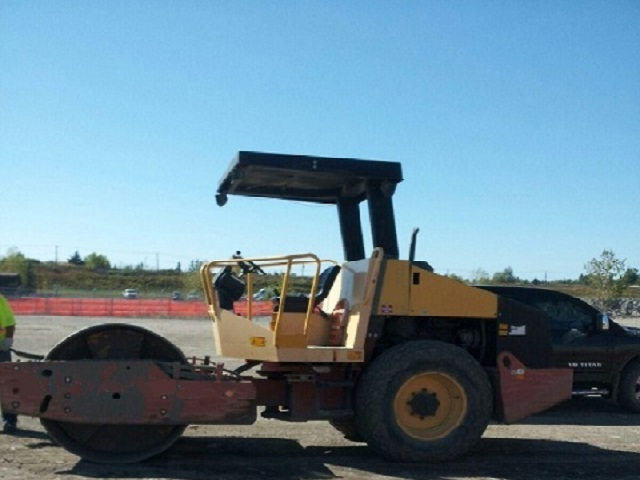
Compactors are built for soil and material compaction, with different machines suited to different site and material requirements. Two models worth knowing are the 66″ Smooth Drum Compactor and the CAT 815F.
Used For:
- Soil and aggregate compaction
- Road construction and base preparation
- Site preparation
- Heavy-duty compaction work
Key Specifications and Capabilities:
- 66″ Smooth Drum Compactor: 66″ smooth drum, OROPS, heat and A/C
- CAT 815F Compactor: blade attachment, cab with heat and A/C, multiple units available
How the Compactors Compare:
The 66″ Smooth Drum Compactor is suited to conventional smooth-drum compaction work, while the CAT 815F is a much larger machine that combines heavy compaction capability with a blade attachment. The appropriate choice depends on the size of the project and the type of material being compacted.
6. Articulated Trucks

Articulated trucks are designed to haul material around construction, earthmoving, and other demanding job sites. Their articulated configuration makes them suitable for moving material across uneven or changing terrain.
Used For:
- Hauling material across construction and earthmoving sites
- Moving large loads
- Supporting excavation and site-clearing work
- Transporting soil, aggregate, and other materials
Key Specifications and Capabilities:
- JD 300D Rock Truck (30-ton class): 23.5R25 tires, cab with heat and A/C, heated box kit
- JD 460E Rock Truck: cab with heat and A/C, heated box kit, tailgate option
How the Articulated Trucks Compare:
The JD 300D is suited to projects requiring substantial material-hauling capacity, while the JD 460E is built for demanding rock and earthmoving applications with added tailgate flexibility. The exact configuration and availability should be confirmed with Heavy Iron when booking.
7. Loader Backhoes

Loader backhoes combine loading and digging in one machine, making them useful for jobs that require both functions without bringing in two separate pieces of equipment. The 2023 JD 310SL is a versatile option for general construction and utility work.
Used For:
- Combined loading and excavation
- Utility work and trenching
- Site cleanup
- Material handling
- General construction
Key Specifications and Capabilities:
- 98 hp, 17,500 lbs operating weight
- Cab with heat and A/C, 4×4, extendable stick
- Coupler and GP bucket, ride control, pilot controls, rear auxiliary hydraulics
- Ripper and hoe pack available at additional cost
Why Choose the JD 310SL:
The JD 310SL combines front-end loading and rear digging capability in one machine. Its 4×4 configuration and extendable stick provide additional flexibility for construction, utility, and excavation work where site conditions or job requirements change throughout the project.
8. UTVs, SXS & Quads

UTVs and side-by-sides handle site access and transportation where larger equipment or vehicles aren’t practical. The 2021 Can-Am Defender HD10 LTD is one option available through Heavy Iron, with rental service from Edmonton and Calgary and equipment serving job sites across Alberta.
Used For:
- Site access and personnel transport
- Remote or rugged job sites
- Hauling smaller loads
- General off-road mobility during active projects
Key Specifications and Capabilities:
- 1,000 cc engine, 2-seater, 4×4
- Insulated cab with heat and A/C
- 4,500 lb winch, 1,200 lb payload capacity
- Trailers available at extra cost
Why Choose the Can-Am Defender HD10 LTD:
The Can-Am Defender HD10 LTD combines 4×4 capability, an enclosed insulated cab, heating and air conditioning, a winch, and useful payload capacity. These features make it a practical option for personnel transportation, site access, and lighter hauling across off-road or remote areas.
9. Graders

Motor grader rentals are used for road construction, maintenance, fine grading, and shaping large surface areas where controlled grading is required. Two models worth knowing are the CAT 14M and the CAT 140M3 AWD.
Used For:
- Road construction and maintenance
- Fine grading
- Preparing surfaces ahead of paving or compaction
- Shaping and levelling large areas
Key Specifications and Capabilities:
- CAT 14M: 14′ blade, ripper, push block, 20.5R5 tires
- CAT 140M3 AWD: 14’+ blade, ripper/scarifier, AWD, cold weather package, blade lift accumulators
How the Motor Graders Compare:
The CAT 14M provides the standard features needed for many grading and roadwork applications, including a 14-foot blade and ripper. The CAT 140M3 AWD adds all-wheel drive and a cold-weather package, giving contractors another configuration to consider for projects where those features are required.
10. Wheel Loaders

Wheel loaders handle material loading and transportation around construction and industrial sites. The 3.0-yard wheel loader offers a range of attachment options for different material-handling tasks.
Used For:
- Loading trucks, bins, and stockpiles
- Material handling
- Site cleanup
- General loading work
- Construction and industrial applications
Key Specifications and Capabilities:
- 3-yard bucket capacity, forks, coupler, grapple
- Cab with heat and A/C, 2 units available
Why Choose the 3.0-Yard Wheel Loader:
The 3-yard bucket provides substantial loading capacity, while the available forks, coupler, and grapple allow the machine to be configured for different material-handling and site-cleanup tasks.
11. Track Loaders

Track loaders combine loading capability with a tracked undercarriage, making them useful for material handling, loading, and general site work.
Used For:
- Loading and material handling
- Site work and grading support
- Construction applications where tracked equipment is appropriate
Key Specifications and Capabilities:
- JD 755C II, 3-yard bucket
- Cab with heat and A/C
Why Choose the JD 755C II:
The JD 755C II provides a tracked loading platform for projects where a track loader configuration suits the site and work requirements.
Why Choose Heavy Iron for Equipment Rentals in Alberta?
Heavy Iron Inc. operates a rental fleet of more than 120 machines across 19 equipment categories, with operations in Calgary and Edmonton and service available across Alberta. The fleet includes equipment ranging from compact machines and attachments to large excavators, dozers, trucks, graders, and other heavy equipment.
Heavy Iron also has Red Seal-certified heavy equipment mechanics and provides equipment servicing and support for rental customers.
Choosing construction equipment for rent from a provider with local equipment and mechanical support can help contractors find the right machine for their project and address service requirements when needed. Whether you need heavy equipment rentals in Alberta for a single project or ongoing work, the available machine, attachments, rental duration, and job-site requirements should all be considered before booking.
Ready to get started? Request a quote or explore Heavy Iron’s full rental inventory today.
Frequently Asked Questions (FAQs)
1. How do I decide which machine size is right for my project?
Match the machine to your digging depth, load volume, ground conditions, access requirements, and attachment needs rather than choosing based only on the type of job.
2. What attachments typically come included versus cost extra?
This varies by machine and rental configuration. Buckets and forks may be included with certain machines, while specialized attachments such as rippers, hoe packs, or trailers may be available at additional cost. Confirm the exact attachment package with Heavy Iron before booking.
3. Can I switch equipment mid-rental if my project needs change?
This depends on equipment availability and the rental agreement. Contact Heavy Iron if your project requirements change so they can confirm available options.
4. How much does operating weight and horsepower actually matter for my job?
Both can affect how a machine performs and what work it can handle. Operating weight, horsepower, machine size, attachment configuration, and site conditions should all be considered when selecting equipment.
5. What should I check on a rental machine before accepting it on-site?
Confirm that the machine and attachments match your rental agreement, and check for visible damage, leaks, or other obvious issues before accepting delivery. If you notice a problem, notify the rental provider before putting the machine into service.