
Tel: 403.259.0005
Tel: 403.259.0005
Who Is a Heavy Equipment Mechanic and What Do They Do?
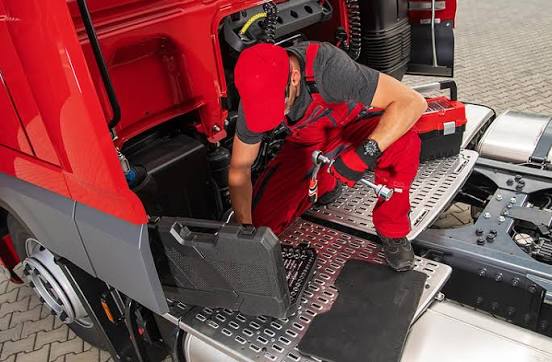
A machine breaking down mid-project rarely happens without warning. Usually a small issue goes unnoticed until it turns into an expensive one, and that gap is exactly what a heavy duty technician exists to close.
Most people assume a heavy equipment mechanic just shows up when something breaks and fixes it. That’s part of the job, but it’s the smaller part. The real value shows up earlier, in the maintenance done before a breakdown, the diagnostics that catch a problem while it’s still minor, and the judgment to know when a machine needs attention now versus when it can run a while longer.
For a business running equipment daily, owned or rented, the person maintaining that machine often matters more to uptime than the machine’s age or brand. This blog covers what a heavy equipment mechanic actually does, when to call one, and what to look for in a service provider.
Understanding a Heavy Equipment Mechanic
A heavy equipment mechanic, often called a heavy duty technician, works on the mechanical, hydraulic, and electrical systems inside large machinery, wheel loaders, excavators, dozers, and other equipment built for construction, mining, and industrial sites. These machines run on diesel engines and hydraulic power – not the systems you’d find under the hood of a standard vehicle.
Moreover, heavy equipment carries heavier loads, works in rougher conditions, and depends on hydraulic systems that take specific training to diagnose correctly. That means automotive repair skills don’t work here.
What Does a Heavy Equipment Mechanic Do?
A technician’s real work is keeping equipment ahead of failure, not just responding to it once it’s already stopped a job.
That work covers a few distinct areas:
- Routine servicing – oil changes, filter swaps, and inspections done on a schedule, not just when something feels off.
- Diagnosing problems accurately – finding the actual cause of an issue instead of replacing parts on a guess.
- Repairing engines and hydraulic systems – anything from a leaking seal to rebuilding a major component.
- Fixing equipment on-site – handling repairs where the machine sits, since hauling it into a shop would cost a project days it can’t afford to lose.
- Tracking each machine’s history – service records that reveal which parts wear out first and when the next one is due.
Where a technician works shapes the day-to-day. A dealership mechanic sees a wider mix of brands and models, while someone tied to a single fleet knows fewer machines but knows them well. Either way, the job is built around prevention first, repair second.
How Can a Heavy Equipment Mechanic Help Your Business?
Most businesses only notice their technician’s value the day a machine breaks down mid-project. By then, the real cost is already showing up in lost hours and a delayed deadline.
A skilled technician’s actual impact happens earlier, in the maintenance and diagnostics work that keeps a breakdown from happening in the first place. This holds whether you own your fleet outright or lean on equipment rental in Alberta to fill gaps during busy seasons.
- Fewer unplanned breakdowns – regular maintenance catches issues before they turn into a machine sitting idle mid-project.
- Lower repair costs over time – small fixes caught early cost far less than the damage caused by running a problem into the ground.
- Longer equipment lifespan – machines serviced consistently hold their working condition longer than ones only touched after something fails.
- Better resale value – a documented service history reassures buyers and typically pulls a higher price at resale.
- Less downtime on active projects – a technician who can diagnose and fix issues quickly keeps a job moving instead of stalling it.
For a business running equipment daily, that difference isn’t minor. It’s the gap between hitting a deadline and explaining to a client why the project fell behind.
Types of Equipment These Mechanics Can Help With
Job sites rarely run one type of machine, and a heavy duty technician’s training reflects that. The same diesel engine and hydraulic knowledge applies across a wide equipment range, even when the machines look nothing alike on the surface.
- Wheel loaders
- Excavators
- Dozers
- Compactors and rollers
- Skid steers and compact equipment
That range is what makes one technician useful across an entire mixed fleet, instead of needing a separate specialist for every machine on site.
When Should You Call a Heavy Duty Technician?
Waiting too long is the most expensive mistake a business can make with heavy equipment. Because most breakdowns give a warning first. The businesses that catch it early spend far less than the ones that wait until the machine stops working entirely.
- Unusual noises or vibrations – a new knock, grind, or shake almost always means a part is already wearing out.
- Fluid leaks – hydraulic fluid, oil, or coolant on the ground signals a failure in progress, not a minor drip to watch.
- Reduced power or slow response – a machine struggling under a load it used to handle fine is losing capacity fast.
- Warning lights or error codes – these exist because the machine caught the problem before a human could. Ignoring them erases that advantage.
- Scheduled maintenance intervals – skipping a service date to save time now almost guarantees a bigger repair later.
- Before a big job or heavy season – an inspection beforehand catches a weak point while it’s still cheap to fix, not after it fails mid-project.
None of these get cheaper by waiting. They get more expensive and usually take the project schedule down with them.
How to Choose a Heavy Equipment Service Provider in Alberta
Not every provider offers the same reliability, and the gap usually shows up at the worst time, mid-project, with a machine already down. Experience across a wide range of equipment is the first thing worth checking, since a provider who only knows a few machine types leaves gaps in a mixed fleet.
Parts access matters just as much as technical skill. A repair moves only as fast as the part behind it, and local availability can turn a multi-day wait into a same-day fix. On-site service adds to that speed, since sending a technician to the job beats hauling a machine into a shop and losing a day to transport alone.
The stronger providers also work on prevention, not just response. Catching a small issue early costs far less than any single fast repair after something’s already failed. Reputation backs all of this up. A heavy equipment dealer in Alberta with a real track record in the region understands the conditions equipment actually works in here, not just the numbers on a spec sheet.
If you’re running rented or owned equipment and want a provider covering all of this, Heavy Iron’s mechanical services are built around exactly that kind of reliability.
Frequently Asked Questions (FAQs)
1. Can one technician service a mixed fleet of different equipment brands?
Yes, if they’re trained across multiple systems rather than one brand. Most heavy duty technicians build that range through apprenticeship and hands-on experience with various machine types.
2. How do I know if a noise or vibration is serious enough to call someone?
Any new or unusual sound is worth having checked, since it usually signals a part already wearing down. Waiting to see if it worsens tends to turn a minor fix into a bigger repair.
3. Is it better to fix a small issue myself or call a technician right away?
For anything involving hydraulics, electrical systems, or engine components, calling a technician is the safer call. Diagnosing incorrectly can turn a small issue into a much larger one.
4. What happens if I ignore a warning light on the machine?
The machine already caught a problem before it became visible elsewhere, and ignoring the alert doesn’t stop that problem from developing. It typically means dealing with a bigger repair later.
5. Does a heavy equipment dealer in Alberta only service what they sell?
Not necessarily. Heavy Iron’s technicians service all makes and models, whether the equipment was bought or rented from them or not.