
Tel: 403.259.0005
Tel: 403.259.0005
Choosing the Right Excavator: Essential Factors and Types
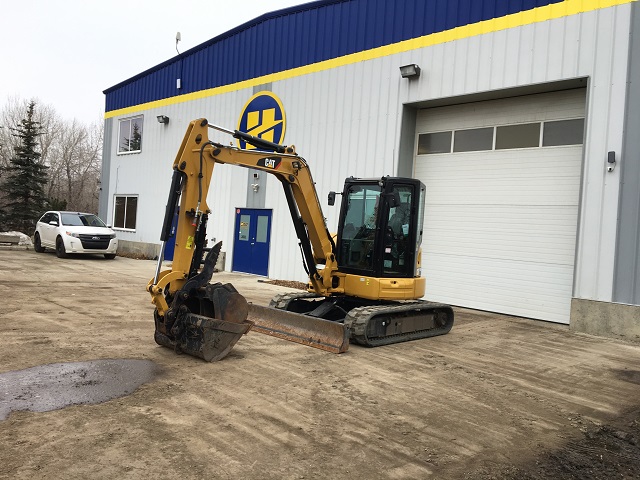
Choosing the right excavator is one of the most important decisions for any contractor. The machine you choose directly affects the productivity, fuel efficiency, project timelines, and overall operating costs.
The wrong excavator doesn’t just slow a job down. It costs real money. A machine that’s too small can’t hit the dig depth you need. A machine that’s too large tears up the ground it’s working on. Either mistake usually means a mid-project swap, lost hours, and an excavator rental bill that keeps climbing.
That’s why choosing the right equipment matters. But every job site has its own demands. Road construction calls for different capabilities than quarry work, and urban excavation brings its own set of constraints entirely. That’s why understanding what a machine can actually handle matters so much before money changes decisions. This guide breaks down the key factors worth considering before you buy.
Define Your Project Requirements
Before you rent or buy an excavator from an equipment rental agency, you must get clear on what the job actually needs. Every site is different. Hence, the machine has to match the conditions you’re working in, not the other way around.
- Dig depth and reach. Deep trenching and high-reach loading both call for a boom and arm long enough to do the work without constant repositioning. If the reach is too short, you’ll have to move the machine more often, and that extra time eats into your rented hours fast.
- Ground conditions. Rocky ground, soft soil, uneven terrain, and steep slopes each put different demands on stability and undercarriage. A machine built for one of these won’t necessarily hold up on another, and finding that out mid-job is the expensive way to learn it.
- Material you’re moving. Loose soil, compacted clay, and demolition debris aren’t the same job. What’s actually in the ground determines the digging force you need and which bucket gets the work done cleanly.
- Job length. A two-day job and a two-month job call for different priorities. On short jobs, you just need the right fit. On longer ones, service intervals and machine reliability start to matter as much as size.
Get these four things right before you call for a quote, and the rest of the decision gets simple. You end up with a machine sized for the job in front of you, not one that’s underpowered for the work or bigger than the site needs.
Key Specs That Actually Matter
Once you know what the job needs, the next step is matching that need to actual machine specs. Two excavators in the same size class can perform very differently depending on what’s under the hood and mounted on the arm. Here’s what to check before you commit to an excavator rental.
- Digging depth. How far below ground level can the machine actually reach? Utility trenching and deep foundation work both need a machine rated for that depth, not one that stops just short of it.
- Reach. This comes down to the boom and arm length. A shorter boom repositions faster between tasks, but a longer one covers more ground per setup, which helps on wider trenches or high-reach loading. Neither is better; it depends on what you’re doing.
- Operating weight and lifting capacity. This determines how much the machine can safely move and lift. Undersized capacity slows the job down. Oversized capacity adds costs you don’t need to carry.
- Hydraulics. The hydraulic system is what controls how smoothly the machine runs, and it also determines which attachments it can handle. Auxiliary hydraulics matter most here, since they’re what let you switch between buckets, thumbs, and other tools without bringing in a second machine.
- Grade control and other features. A growing number of excavators now come with GPS grade control built in, which helps operators cut to the exact grade without constant manual checking. It isn’t standard across the board, though, so ask about it upfront if the job calls for it.
None of these specs really work in isolation. A machine with great reach but the wrong hydraulics still won’t run the attachments you need. Check depth, reach, capacity, hydraulics, and features together, and you’ll end up with an excavator rental that fits the job from day one instead of one you’re compensating for halfway through.
Match Size/Weight Class to Job
Excavators come in a range of sizes, and each class handles a different kind of work. Get the size wrong, and it shows up fast. The machine either can’t fit where it needs to work, or it doesn’t have the power the job actually calls for.
Mini Excavators
Tight job sites call for something smaller – usually in the 5 to 7 ton range. These compact machines manoeuvre where standard-sized excavators simply can’t, and their near-zero tail swing makes them a good fit for precision work like pipe or gas line installation. They’re lighter to move around and cheaper to run, though they won’t hold up on a larger project that needs real digging force.
Standard Excavators
Most commercial jobs land in the mid-size range – roughly 135 to 250. This is where you get real digging depth, reach, and hauling capacity without dealing with the transport headaches a bigger machine brings. Within this range, smaller models still favour manoeuvrability, while the larger ones push further into reach and depth.
Large Excavators
Then there’s the heavy end, which ranges from 290 and up. These are for big foundations, demolition, and major earthmoving, where moving more material per pass is the whole point. The catch is logistics. They need real room to operate and specialized transport just to get on site, so they only make sense when the job’s scale actually calls for it.
Choose the Right Type
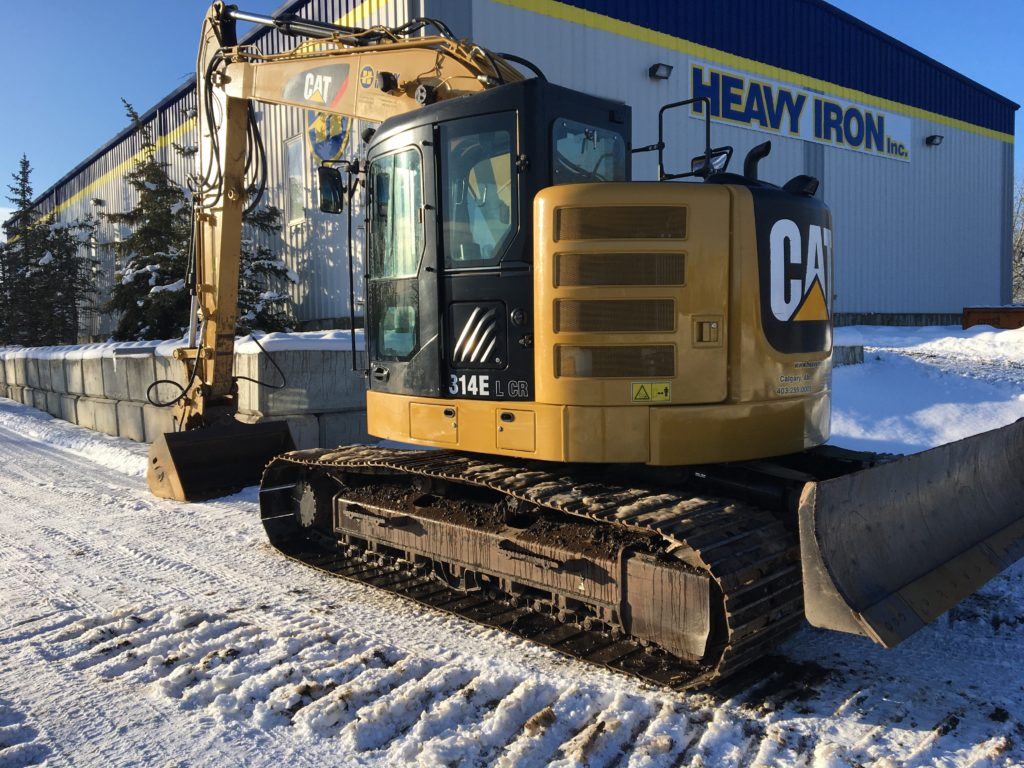
Size gets you close, but type gets you there. Two excavators in the same weight class can behave as completely different machines depending on how they are built and what they were designed to handle. Picking the wrong type does not just affect performance; it affects whether the job gets done at all.
Standard Excavators are where most projects start. Open sites, commercial work, civil construction. They are built for power and consistency across long shifts without the complications that specialized machines bring.
Wheeled Excavators are built for projects that move. When a job requires frequent repositioning between sites on paved or stable surfaces, tracked transport becomes a logistical headache. Wheeled machines eliminate that and keep things moving.
Long Reach Excavators solve the problem of distance. When the dig point is too far out or too far below for a standard boom to reach cleanly, these machines get there without compromising the work.
Dragline Excavators operate at a scale most job sites never need. They operate in large earthworks, mining, and soft ground excavation where the priority is moving serious volume consistently rather than working with precision.
Backhoes are the practical choice when a single machine needs to handle multiple roles. They dig from the rear, load from the front, and work well on smaller sites where bringing in multiple specialized machines does not make financial sense.
Hydraulic Shovels are built purely for production. They are built for high-volume, high-output environments where moving the most material per pass is the only metric that matters.
Pick the Right Attachments
An excavator without the right attachment is only doing part of the job. The base machine gets you to the site. The attachment determines what actually gets done once you’re there.
- Buckets: The standard choice for digging and moving material across most job types.
- Hammers and Breakers: For demolition and breaking through rock or concrete.
- Rippers: Built for breaking up compacted or frost-hardened ground.
- Couplers: Allow quick attachment changes without losing working hours.
- Grapples and Thumbs: Ideal for handling debris, logs, and irregular material.
- Augers: Used for drilling precise holes for posts, foundations, and soil sampling.
New vs. Used vs. Rental: What’s Best?
Whether you should buy new/used or rent from a reliable equipment rental agency depends on how often you’ll use the machine, how long the project runs, and how much you’re willing to put into maintenance and depreciation.
Here’s a comparison table to help you make better decisions when looking to buy or rent.
| Famous For | New | Used | Rental |
|---|---|---|---|
| Upfront Cost | Highest | Moderate | Lowest, pay per use |
| Maintenance Cost | Lowest, full factory warranty | Lower, if the warranty transfers | None, the machine arrives serviced |
| Best for | Long-term, high-hour operations | Owners who want equipment without new-machine pricing | Short-term or one-off projects |
| Commitment | Long-term ownership | Long-term ownership | Weekly or monthly, no long-term tie-in |
To put it simply, new makes sense when a machine will run high hours for years and downtime simply isn’t an option. Used is where a lot of contractors land. It’s a middle ground, with a lower upfront cost than new, without giving up reliability entirely. Rental is the right call when the need is short-term, seasonal, or still uncertain.
If you’re looking to buy new, buy used, or rent, Heavy Iron Inc., a leading equipment rental agency in Alberta, works with contractors on all three. We take the time to understand what the job actually needs, then point you toward the machine that fits it, not just whatever’s easiest to move. Every unit gets inspected and serviced before it leaves our yard, and rates are laid out clearly from the start, so there’s nothing to untangle later.
Common Mistakes to Avoid When Choosing an Excavator
Most excavator problems on a job site trace back to a decision made before the machine ever showed up. Here’s where that decision usually goes wrong when choosing heavy equipment for sale and rental.
Sizing the machine to the site, not the job.
A tight lot gets contractors reaching for a mini excavator by default, even when the work itself needs more depth or lifting power than that class can deliver. The machine fits the space fine. It just can’t do the job, and that mismatch shows up as extra passes, slower progress, and an excavator rental clock that keeps running longer than it should have.
Treating ground conditions as an afterthought.
Soil type, slope, and rock content all change how a machine performs, and not every excavator is built to handle all three. This is usually a spec sheet problem, not a machine problem; the undercarriage and stability ratings are right there before the rental goes out. Skipping that check means finding out the hard way, after the machine is already on site and the clock has already started.
Assuming the attachment will just work.
Auxiliary hydraulics vary machine to machine, and not every excavator can run every attachment straight off the arm. Contractors who skip this check sometimes end up bringing in a second machine to finish what the first one couldn’t, which defeats the point of choosing carefully in the first place.
Letting price decide instead of fit.
The lowest quote, whether it’s a rental rate or a used machine’s sticker price, usually comes with a trade-off attached: higher hours, deferred maintenance, or a size that’s just slightly wrong for the work. It rarely turns out to be the deal it looked like at first glance.
Buying used without checking the history.
Used equipment is where a lot of contractors land, and for good reason, but that only holds up if the service records and hour meter actually get checked first. Skip that step, and a smart middle-ground purchase turns into a gamble.
Conclusion
Ultimately, picking the right excavator comes down to a handful of decisions stacked on top of each other. What the project actually requires, which specs matter for that work, the size class that fits the site, the type built for the task, and the attachments that make the machine useful once it’s there. Skip any one of these, and it usually shows up later as wasted time, a mid-project swap, or a rental bill that climbed higher than it needed to.
Get them right from the start, and the choice between buying new, buying used, or renting stops being complicated. It just comes down to how long the machine needs to work for you.
Ready to Find the Right Machine for Your Job?
If you’re looking to buy new, buy used, or rent, Heavy Iron Inc. can help you make the right decision. We have been one of Alberta’s most trusted heavy equipment dealers for over 20 years, backed by a 120+ machine fleet from Caterpillar, Hitachi, and John Deere. Two decades of serving contractors across Canada and the USA is proof our equipment and service hold up when the job’s on the line. Want to see what’s available or get a quote? Just reach out to Heavy Iron Inc., and we’ll get you sorted.
Frequently Asked Questions (FAQs)
1. Does Heavy Iron Inc. deliver equipment to the job site?
Yes, delivery can be arranged as part of your rental or purchase. Reach out with your site location, and we’ll sort out logistics before the machine is needed.
2. What happens if a rented machine breaks down mid-project?
Heavy Iron Inc. handles servicing and repairs directly, with mechanics available to get you back up and running fast so downtime doesn’t eat into your project.
3. Do I need any certification or license to rent an excavator?
Requirements vary by province and by machine type. Give us a call, and we’ll walk you through what’s needed for the specific equipment you’re renting.
4. What areas does Heavy Iron Inc. serve?
We’re based in Alberta and serve customers across Canada and the USA, with a fleet of 120+ machines ranging from 5-ton to 90-ton.
5. Does Heavy Iron Inc. offer any special programs for veterans or military members?
Yes, we run a Canadian Forces Program for members looking to buy or rent equipment. Contact us for details on eligibility and terms.