
Tel: 403.259.0005
Tel: 403.259.0005
Buying Used Heavy Equipment: How to Find the Right Machine at the Right Price
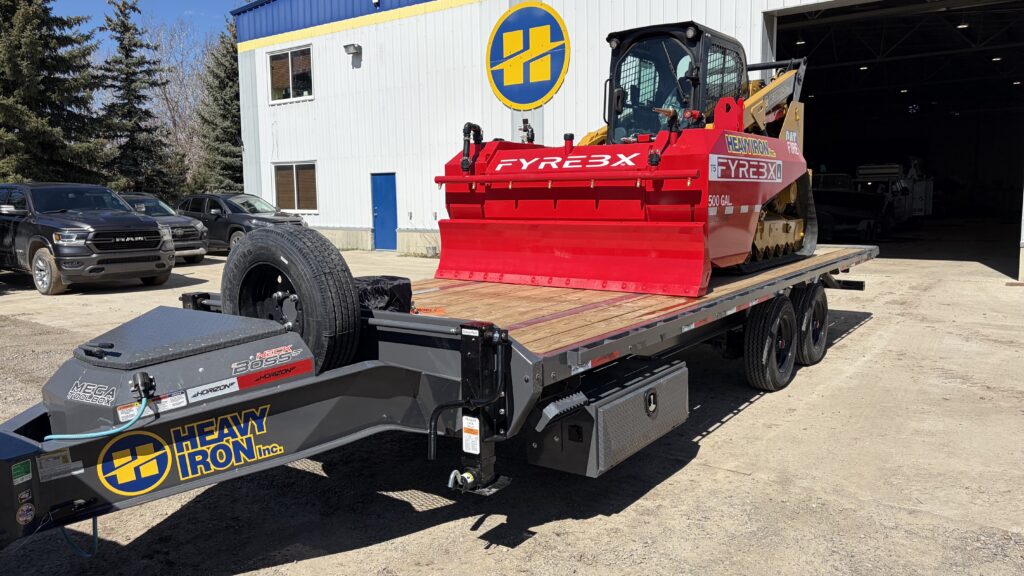
Used heavy equipment for sale in Alberta is easy to compare by price, but the number says little about what the machine has been through. A cheaper unit with high hours and no records can cost more to run than a pricier one with a full history. The better question is what the machine has already done.
This guide covers seven steps for buying used heavy equipment for sale in Alberta: matching the machine to the job, checking its hours and service history, inspecting it in person, comparing prices, choosing a dealer, and evaluating total cost of ownership.
1. Match the Machine to the Job
A wheel loader moves a stockpile fast but can’t dig a trench. An excavator digs the trench, then takes all day to clear a pile. Used heavy equipment for sale in Alberta comes in every type, so the first decision is what the machine has to do.
Three things settle it quickly:
- Where it will work. A tight lot or soft ground rules out some sizes before you ever look at a price.
- How often it will work. If it runs most days, buying makes sense. If it sits between jobs, renting may cost less.
- What goes on the front. Write down the attachments you need and check they come with the machine, since adding a bucket or coupler later can cost extra
2. Check Hours, Age, and Service History
Three details tell you most of what you need to know about used heavy equipment for sale in Alberta before you ever see it in person: its hours, its age, and its service records. Each answers a different question, so read them together.
Hours
The hour meter does the same job as an odometer on a truck. More hours mean more wear on the engine, hydraulics, and drivetrain, so the number gives you a rough idea of how much working life is left. It also drives the price, which is why a low number should come with proof.
Age
Age counts even when the hours are low. Seals dry out, hoses crack, and wiring wears whether the machine is working or parked. An older unit with few hours may still need new parts sooner than you’d expect.
Service History
Records are the closest thing a used machine has to a track record. Regular oil changes and documented repairs show someone looked after it. Gaps mean you’re guessing, and you’d be the one paying for whatever got missed.
3. Inspect the Machine in Person
Records reveal a lot, but they can’t show what an inspection will be. That’s why a physical inspection carries the most weight. It identifies leaks, worn tires or undercarriage, cracked welds, loose pins and bushings, and damage that never made it into the paperwork.
Running the machine adds more. Controls, steering, and hydraulics under load show the following:
- How it responds
- How it sounds
- How it handles heat
In fact, some faults only appear once it’s working. An inspection also confirms whether the machine’s condition matches what the listing and its records describe.
4. Compare Prices on Used Heavy Equipment for Sale
A price only makes sense when you compare it against similar machines. Look for listings with the same make, model, age, and hours. When two similar units carry different prices, the gap usually comes down to:
- Condition and records: better upkeep costs more
- Attachments: buckets, couplers, and thumbs add value
- Warranty: transferable factory coverage adds value
- Location: transport adds to the total
A listing price is an asking price, not a final one. Dealer valuations and recent sales of similar equipment show where the market actually sits.
5. Buy/Rent From Trusted Heavy Equipment Dealers in Alberta
A reputable dealer takes on part of the risk a private sale leaves with the buyer. The machine is inspected and serviced before it goes to market, and you can actually call someone if something comes up after the sale. That distinction matters when comparing heavy equipment for sale in Alberta.
At Heavy Iron, buyers get:
- Late-model, low-hour machines across 17 equipment categories
- Dealer inspection, servicing, and upgrades before listing
- Factory warranties that transfer to the new owner in many cases
- Red Seal-certified mechanics for service after the purchase
- Sourcing across Canada and the USA for machines not in stock
Not every job calls for ownership. We also rent from a fleet of more than 120 machines, with weekly rentals including up to 50 hours and monthly rentals up to 200. Our rentals run from Aldersyde, Calgary, Edmonton, and across Alberta.
Browse our sales inventory or contact our team to find the right machine.
6. Evaluate Any Upgrades or Attachments
Upgrades and attachments affect whether the machine suits the job and whether the price reflects what you will actually use.
- Relevance: GPS grade control, ride control, or a cold weather package pays off on some jobs and sits idle on others
- Fit: the coupler type and auxiliary hydraulics have to match the attachment
- Origin: factory-installed upgrades are matched to the machine, while aftermarket ones vary in quality
- What’s included: the listing and the sale agreement should name every attachment that comes with the machine
7. Total Cost of Ownership
Most contractors look at the purchase price and stop there. That is where expensive mistakes begin. A wheel loader that burns more fuel, needs frequent servicing, or has parts that take weeks to source will cost significantly more over two seasons than the invoice suggested. Resale value compounds further.
Renting before buying gives you real utilization data on your own jobs. When the hours justify ownership, buying a premium wheel loader for sale becomes the smarter long term call.
Conclusion
Buying used heavy equipment is one of those decisions that follows you for years. Get it right and the machine earns its place on every project it touches. Get it wrong and you are managing someone else’s problems on your own time and budget.
The contractors who consistently make better buying decisions are not necessarily the most experienced. They are the ones who inspect properly, compare realistically, and source from people who stand behind what they sell.
If you are looking at heavy equipment for sale in Alberta or want to explore your options before committing to a purchase, Heavy Iron Inc. has been helping contractors across Alberta make that call for over twenty years. Headquartered in Aldersyde and serving Calgary, Edmonton, Red Deer, and beyond, they carry sales inventory and rental options across multiple machine categories so you are not locked into one path before you are ready. Visit heavyironinc.com or call 403.259.0005.
Frequently Asked Questions (FAQs)
1. How do I verify a machine’s service history before buying?
Ask for physical records covering oil changes, filter replacements, and major repairs. If the seller cannot produce them, treat it as a red flag and negotiate accordingly.
2. Is buying from a dealer worth the higher price compared to a private seller?
Generally yes. A dealer inspects and services the machine before listing and stays reachable after the sale. With a private seller, whatever problems exist become yours the moment the transaction closes.
3. What attachments should come standard with a used wheel loader?
There is no universal standard. It depends entirely on what the machine was used for and what the seller includes in the deal.
4. How do I know if an aftermarket upgrade is worth paying for?
Check compatibility with your existing attachments and whether it applies to work you actually do. An upgrade that sits idle most of the time adds cost without adding value.
5. What does a Red Seal mechanic certification mean for equipment servicing?
It is a nationally recognized trades certification in Canada, confirming the mechanic has met a standardized competency level. A reliable indicator that the person working on your machine knows what they are doing.