
Tel: 403.259.0005
Tel: 403.259.0005
What Equipment Is Used in Construction? A Guide to Essential Heavy Machines
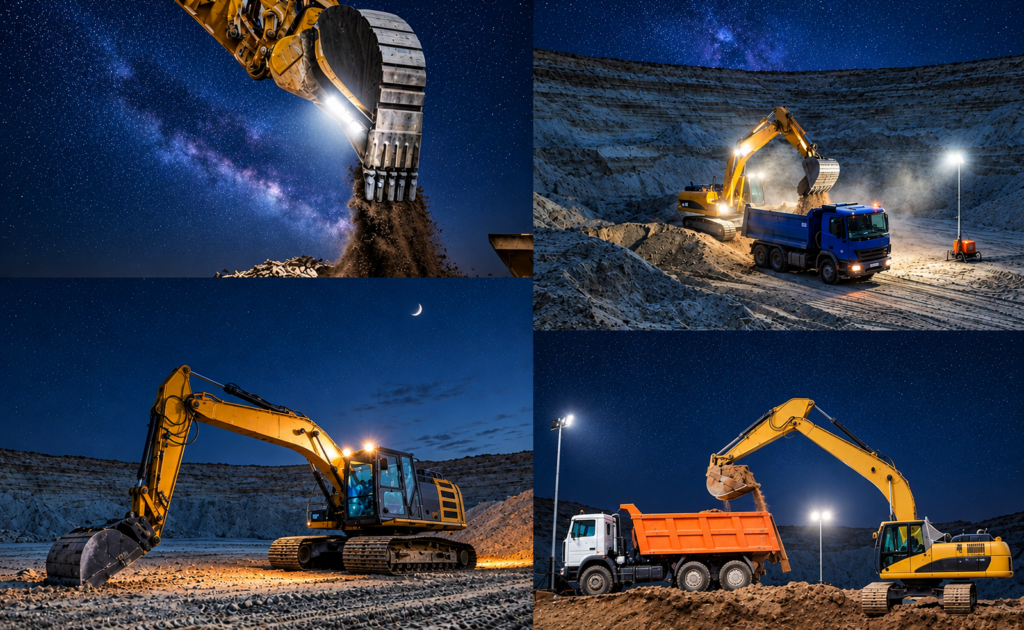
Walk onto any active construction site in Alberta and the machines doing the work tell you everything about where the project stands. Ground being cleared means dozers are running. Trenches being cut means an excavator is on site. Material moving between locations means a wheel loader or articulated truck is earning its keep somewhere nearby.
Most contractors have worked with enough construction equipment to know what each machine looks like. The harder question is whether the machine they are used to is actually the right one for the job in front of them. Getting that wrong is how projects lose days they cannot recover. This guide is for anyone who wants a straight answer on what each machine is built for, where it works best, and what to think about before committing to a rental or a purchase.
What Are the Main Types of Construction Equipment?
Every machine on a job site exists to solve a specific problem, and understanding how they are grouped makes it easier to identify what your project actually needs.
1. Excavators
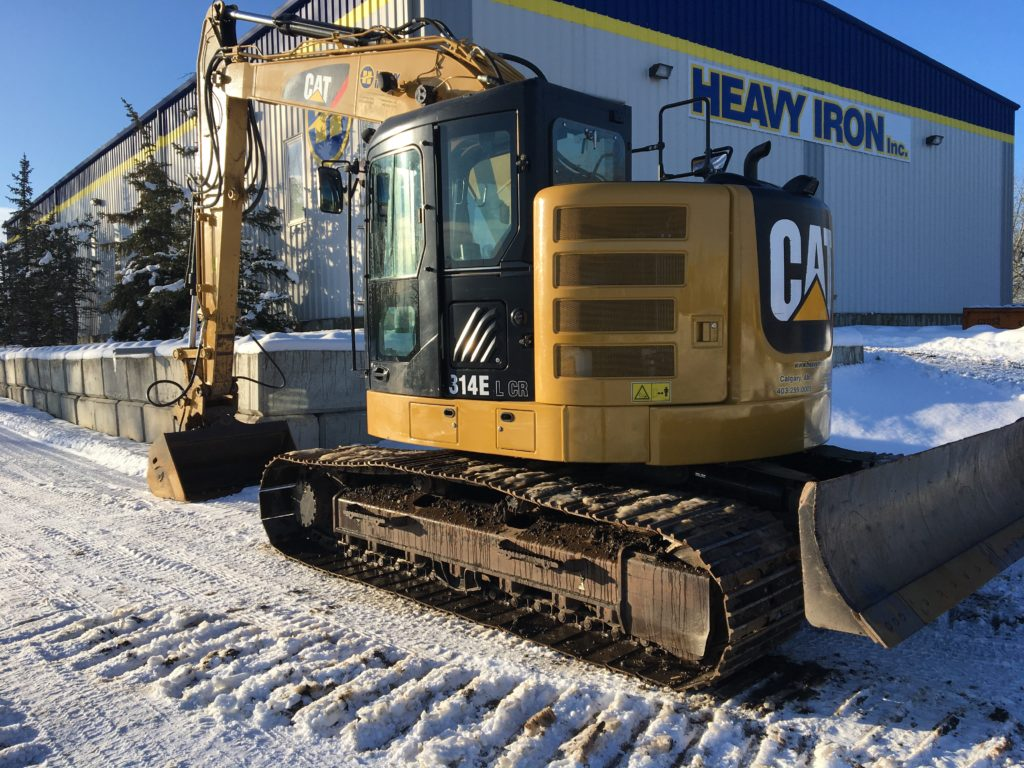
If there is one machine that shows up on more job sites than anything else, it is an excavator. Digging, trenching, demolition, material handling, and loading, all fall within what a single unit can handle, which is why most projects cannot start without one.
Used For:
- Digging foundations, trenches, and drainage
- Demolition and breaking through hard ground
- Site clearing and ground preparation
2. Dozers
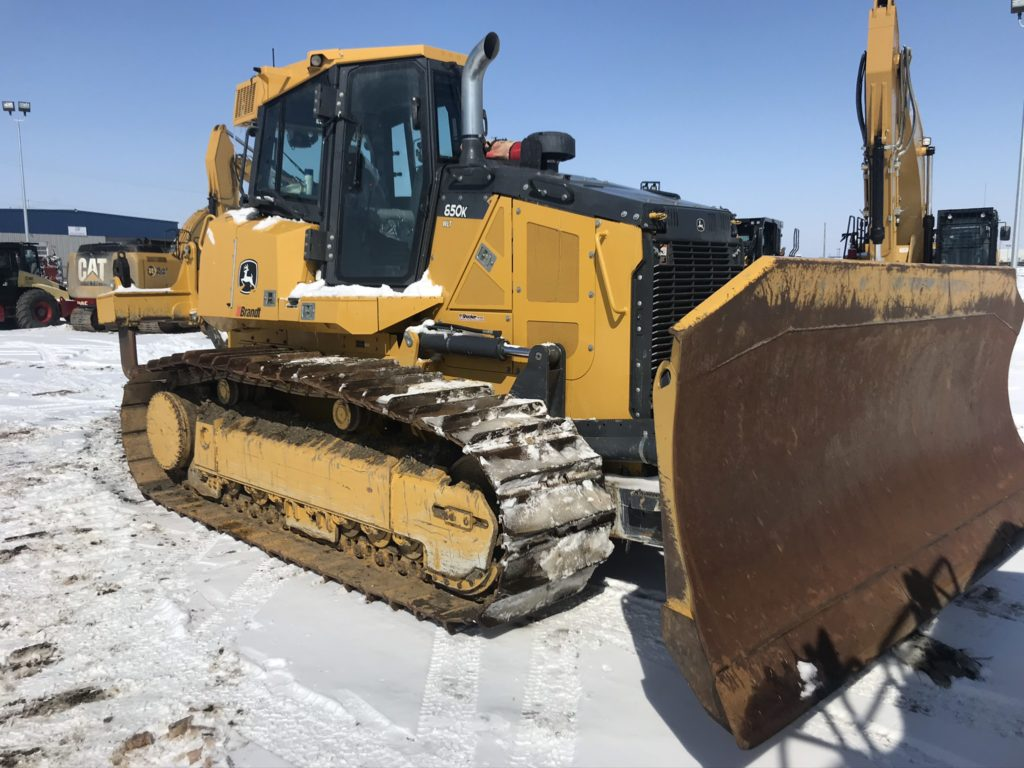
Dozers do the work that everything else on a job site depends on. Before an excavator can dig, before a grader can finish a surface, and before a paver can lay asphalt, the dozer has usually already been through. They are built for raw ground movement and they are very good at it.
Used For:
- Land clearing and site preparation
- Pushing and moving large volumes of earth
- Rough grading before other machines move in
3. Mini excavators
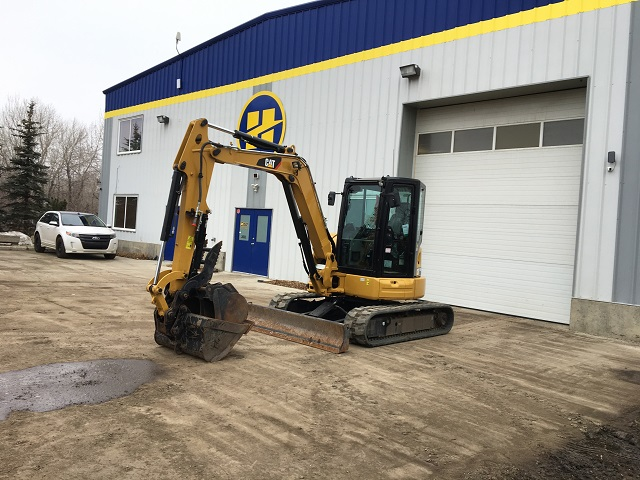
Mini excavators do everything a standard excavator does, just in spaces where a full-size machine would never fit. Residential projects, urban sites, and work close to existing structures, all call for a machine that gets the job done without causing damage around it.
Used For:
- Digging in confined and tight access areas
- Utility and drainage work on residential projects
- Landscaping and small-scale earthworks
4. Wheel loaders
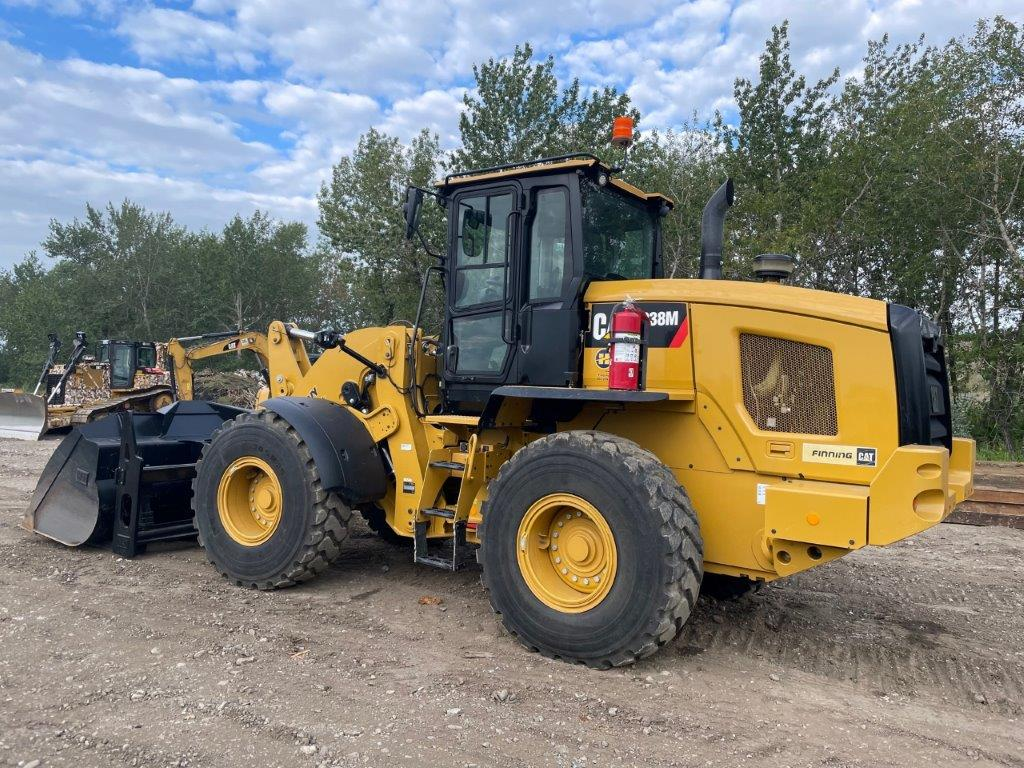
Wheel loaders are not built for digging or pushing. They are built for moving material fast. A good operator on a wheel loader can cycle between a stockpile and a haul truck more times in an hour than most other machines can manage, and on busy sites that speed is what keeps everything else moving.
Used For:
- Loading aggregate, soil, and bulk material onto trucks
- Moving material between stockpiles across large sites
- Feeding batching plants and processing facilities
5. Skid steers
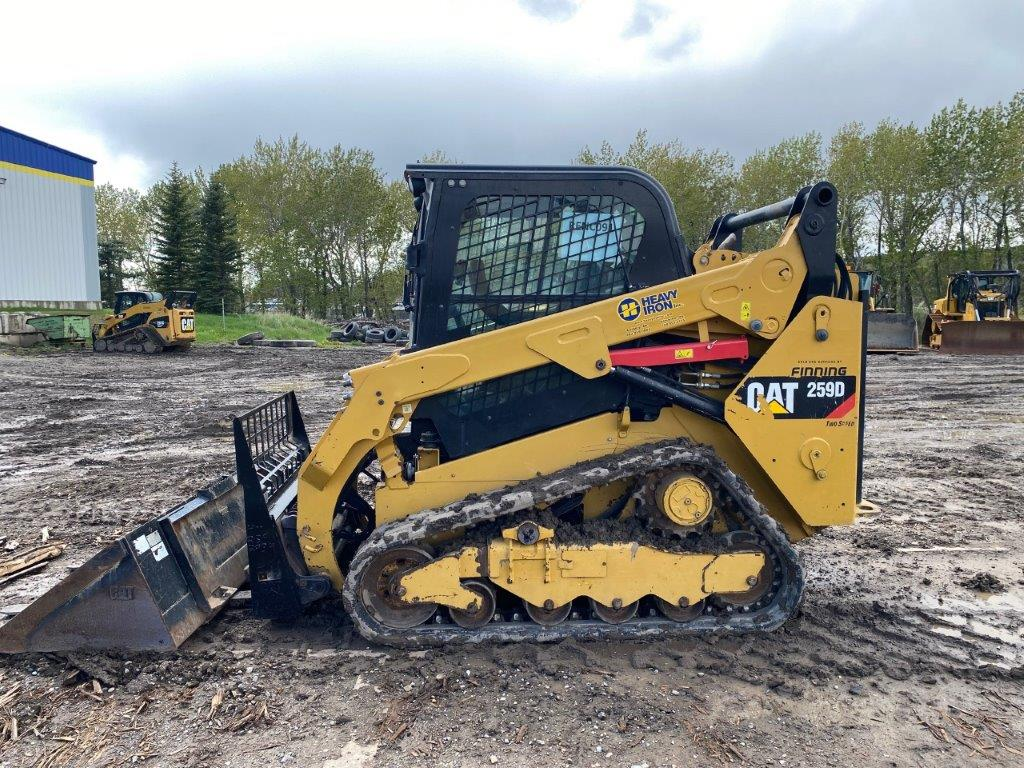
Most job sites have at least one task a larger machine cannot handle and a skid steer is usually what fills that gap. It gets into spaces others cannot, swaps attachments in a couple of minutes, and covers enough ground across different task types that contractors often find themselves using it for work they never originally planned for.
Used For:
- Working in tight and confined spaces
- Grading, cleanup, and material handling
- Demolition, landscaping, and snow removal
6. Track loaders
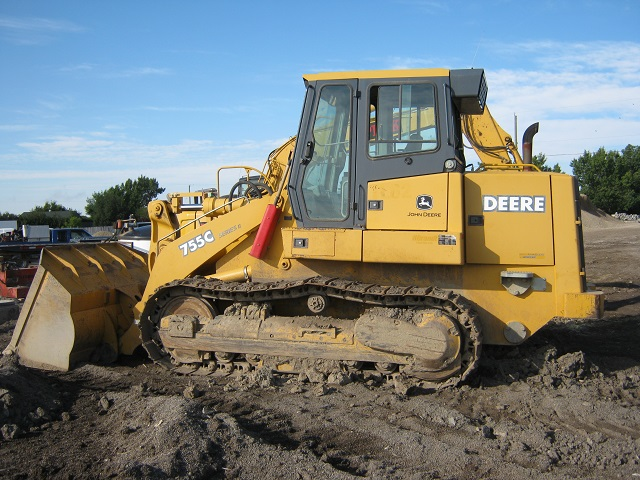
Track loaders do what wheel loaders do but on the ground, which would stop a wheeled machine cold. Soft terrain, muddy conditions, and uneven surfaces that are common across Alberta job sites are exactly where tracked undercarriages earn their place. For contractors looking at construction equipment for rent, a track loader is worth considering any time the site conditions are working against you.
Used For:
- Moving material on soft, wet, or uneven ground
- Site work where wheeled machines would lose traction
- Pushing and loading on terrain that changes between shifts
7. Motor graders
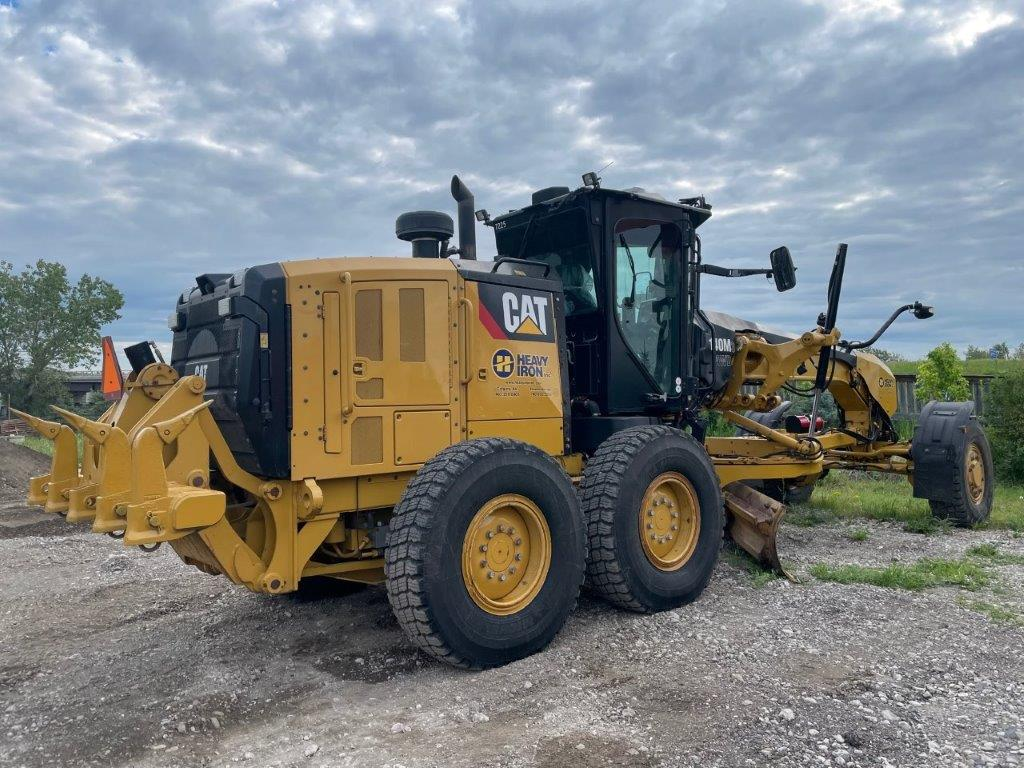
Most machines move material. A motor grader places it precisely. When a road surface, a drainage channel, or a finished grade needs to hit exact tolerances, this is the machine responsible for getting it there. No other piece of heavy equipment rental in Alberta gets called in specifically for precision surface work the way a grader does.
Used For:
- Road construction and finishing surface grades
- Shaping drainage channels and embankments
- Final grading before paving or compaction begins
8. Articulated rock trucks
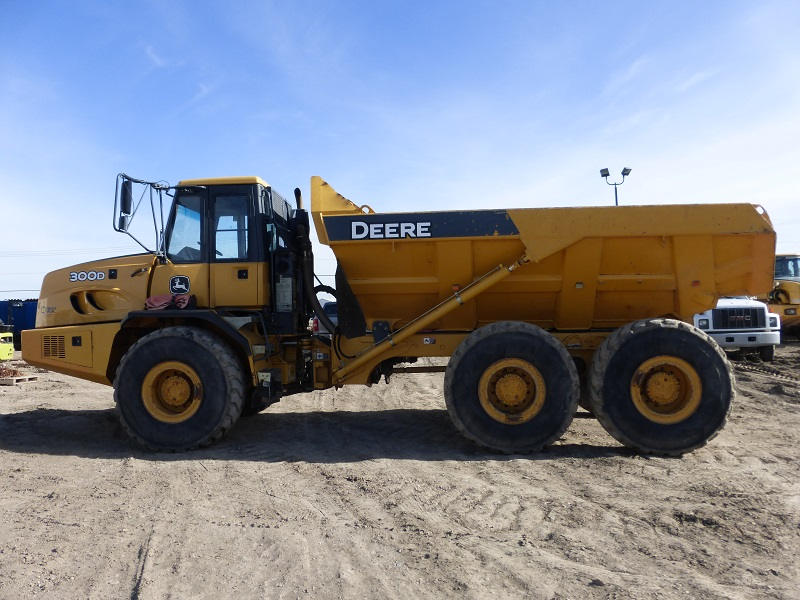
Standard haul trucks have limits. Steep grades, soft ground, and remote access roads across northern Alberta projects are where those limits show up fast. Articulated rock trucks are built for exactly those conditions, hauling serious volumes of material through terrain that would stop anything else on the haul road.
Used For:
- Hauling material across rough and remote terrain
- High-volume earthmoving on mining and resource projects
- Site haulage where road conditions change constantly
9. Compactors
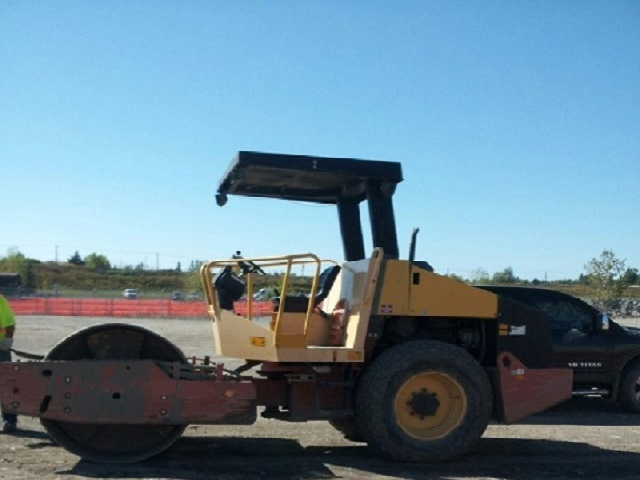
Compactors rarely get talked about until something fails beneath the work already done. A road base that shifts, a building pad that settles, and a trench backfill that sinks. All of it traces back to compaction that was not done properly the first time.
Used For:
- Compacting soil on road bases and building pads
- Asphalt finishing on roads and paved surfaces
- Trench backfill compaction after utility installation
10. Pipelayers
Pipeline work has its own demands and a standard excavator does not always meet them. Pipelayers are built specifically for the precision required when lowering pipe sections into a trench, holding them at exact depth and alignment, while the work happens around them.
Used For:
- Lowering and positioning pipe sections into trenches
- Oil, gas, and water pipeline installation
- Utility infrastructure work requiring precise depth control
Where to Find Construction Equipment for Sale in Alberta
Sourcing equipment in Alberta is not the hard part. The hard part is finding out the machine you just rented or bought has problems the previous owner already knew about. That conversation happens more than it should, and it almost always comes down to who you sourced from.
The wrong source cuts corners you do not find out about until the machine is already on your job site. The right one stands behind what they put on your site before and after the transaction.
Here is what that actually looks like in practice:
- Equipment that has been properly maintained before it reaches you
- A team that can answer technical questions about the machine, not just the price
- Mechanical services available when something needs attention on a rental or a purchase
- Both sales and rentals available so you are not being pushed toward one option that suits the dealer more than it suits your project
Heavy Iron Inc. covers all of that. Twenty-plus years as a trusted heavy equipment agency in Alberta, a fleet that runs across multiple machine categories, and mechanical services that mean we are not just moving iron, we are accountable for what we put on your job site.
Heavy Equipment Rentals in Alberta
Alberta job sites are demanding and project scopes change faster than most budgets can keep up with. Having access to the right machine at the right time, without the long-term commitment of ownership, is something a lot of contractors across Alberta rely on.
Heavy Iron Inc. has built a rental fleet around exactly that need. Over 120 machines across excavators, dozers, skid steers, motor graders, wheel loaders, and more, all maintained and ready to work when your project needs them. And if something needs attention while the machine is on site, their heavy equipment mechanic means you are not left tracking down support on your own.
Whether you are running a project in Calgary, Edmonton, Red Deer, or anywhere across Alberta, Heavy Iron Inc. is headquartered in Aldersyde and has been putting the right machines on job sites across the province for over twenty years. Visit heavyironinc.com or call 403.259.0005 to check availability.
Frequently Asked Questions (FAQs)
1. What types of construction equipment are most commonly rented in Alberta?
Excavators, dozers, motor graders, wheel loaders, and skid steers are among the most frequently rented machines across Alberta job sites. Demand stays high year round across civil, resource, and commercial construction projects.
2. How do I know which machine is right for my project?
Start with what the job actually requires, dig depth, terrain, material type, and site access. If you are unsure, talk to a rental agency that knows their fleet well enough to point you in the right direction.
3. Is it better to rent or buy construction equipment in Alberta?
If the machine will be working consistently across multiple projects, ownership makes sense. If the work is project-based or seasonal, renting protects your cash flow without sacrificing access to the right equipment.
4. What should I check before renting heavy equipment?
Confirm the machine’s service history, test all functions before it leaves the yard, and make sure it is the right size and spec for your site conditions.
5. Can I rent equipment for a single day or short-term project?
Yes. Most rental agencies in Alberta offer flexible terms covering daily, weekly, and monthly arrangements depending on what the project requires.