
Tel: 403.259.0005
Tel: 403.259.0005
5 Jobs You Can Complete Faster With a Skid Steer Rental
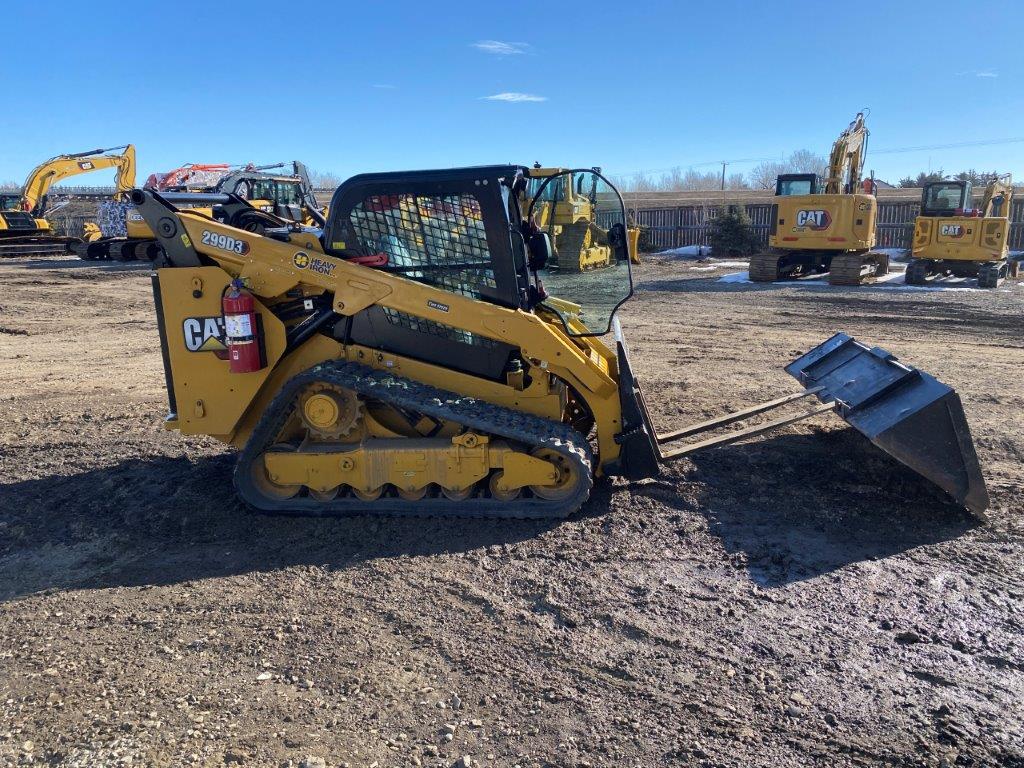
Small and mid-size jobs rarely need a fleet. They need one machine that handles gravel in the morning and pallets after lunch. A skid steer mover does exactly that. It fits into spaces larger equipment can’t reach, switches jobs as fast as you can swap an attachment, and keeps work moving instead of waiting on the next piece of equipment to arrive.
For contractors across Alberta, that flexibility shows up where it matters most, finishing the job faster. The skid steer is built for tight spaces, mixed terrain, and tasks too small to justify anything bigger. This guide covers five jobs a skid steer rental speeds up, what to know about rental pricing, and how to find the right machine through a dealer with equipment and support close by.
1. Material Handling & Loading
A skid steer mover handles material faster than most crews expect – scooping, lifting, and relocating loose material or palletized loads without needing a second machine on standby. Swap the bucket for forks – and it moves from loading gravel to lifting pallets in minutes.
Contractors commonly use a skid steer for:
- Loading and unloading trucks on tight job sites
- Moving pallets, lumber, and building materials
- Relocating loose material like gravel, sand, or soil
The attachment does most of the work here: a bucket for bulk material and forks for palletized loads, both standard on most rental units.
2. Grading & Leveling Small Sites
A skid steer mover works well on small sites where a grader is overkill and a shovel crew is too slow. With a disc attachment, it breaks up and levels soil ahead of seeding, landscaping, or pad prep – without the footprint a larger grading machine needs.
Contractors turn to this setup for:
- Leveling yards, lots, and small building pads
- Prepping ground for sod, seeding, or landscaping
- Light grading where access is tight
For construction equipment sales or heavy equipment rentals in Alberta, a skid steer with the right attachment often replaces a machine twice its size for jobs of this scale.
3. Snow Removal and Seasonal Work
A skid steer mover handles snow the same way it handles material, by swapping attachments to match the job. With a plow or snow bucket, it clears lots, driveways – and access roads faster than hand crews, and switches to a different attachment once the season changes.
Contractors use it for:
- Clearing parking lots, driveways, and site access roads
- Pushing or loading snow for removal
- Transitioning the same machine between winter and summer work
This seasonal flexibility matters most in Alberta, where a single rental can carry a contractor from snow clearing straight into spring site prep – without swapping machines.
4. Demolition & Site Cleanup
A skid steer mover clears demolition debris faster than hauling material by hand, using its bucket to load broken material directly into a truck or bin. Auxiliary hydraulics on models – like the CAT 259D and CAT 299D3 – support additional attachments when a job calls for more than standard loading.
Contractors use it for:
- Clearing debris after demolition or renovation work
- Loading broken material into trucks or bins
- General site cleanup between project phases
For jobs needing a specific demolition attachment, confirming availability with Heavy Iron ahead of time ensures the right setup for the site.
5. Landscaping & Trenching
A skid steer mover handles the mix of digging, moving, and placing material that landscaping work demands — without switching between separate machines for each task. The disc attachment breaks and levels soil for planting or sod, while the bucket moves soil, mulch, or aggregate across the site.
Contractors use it for:
- Preparing soil for sod, planting beds, or seeding
- Moving and placing mulch, soil, or aggregate
- General site shaping ahead of landscaping work
For trenching specifically, confirming attachment availability with Heavy Iron ensures the right setup is on-site before work begins.
Common Skid Steer Attachments That Increase Productivity
A skid steer mover’s versatility comes down to what’s mounted on the front of it. The base machine sets the baseline, but the attachment decides what kind of work gets done – which is often why one rental can cover jobs that would otherwise need two or three separate machines.
Buckets
The default attachment for moving loose material, soil, gravel, debris – and whatever needs to go from one spot to another.
Pallet Forks
Swap in forks and the same machine starts lifting palletized loads. Useful on sites too tight for one to fit anyway.
Augers
Auger sizes vary by the hole diameter and depth a job calls for, from narrow bores for fence posts to wider ones for footings.
Grapples
Brush, logs, and scattered debris—a grapple grips what a bucket would just push around. Land clearing and demolition cleanup move faster with one attached.
Why Contractors Rent Skid Steers Instead of Buying
A skid steer sits unused more often than it runs for most contractors — and that’s really the core of the renting-versus-buying decision. Owning one machine means paying for it every month whether it’s on a job site or sitting in storage, while the actual work rarely calls for the same machine, with the same attachment, on every project.
Buying locks a contractor into decisions that are hard to reverse:
- A fixed machine size and configuration, even as project needs change
- Maintenance, repairs, and servicing that fall entirely on the owner
- Storage and transport between sites, regardless of how often it’s used
- Depreciation that continues whether the machine works or not
Renting removes that mismatch. Instead of owning one skid steer and adapting every job to fit it, a contractor rents the exact model and attachment a project calls for, then returns it once the work is done.
That shows up as real advantages:
- The right machine for each job, not a compromise
- No maintenance, storage, or depreciation to manage
- Capital stays free for other parts of the business
- Newer, better-maintained equipment than most owned fleets carry
And if you’re thinking about how much a skid steer rental is, the answer depends on the model, attachments, and how long the job runs, which is why confirming directly with a dealer gets a more accurate number than a flat estimate ever could.
Rent a Skid Steer for Your Next Project
Versatility is what makes a skid steer mover worth renting over almost any other piece of equipment on this list. One machine, five different jobs, just by changing what’s attached to the front.
If you’re weighing heavy equipment rentals in Alberta against a purchase, renting gives you the right machine for each job without the long-term costs ownership brings. And if you’re ready to see how much a skid steer rental actually costs for your project, Heavy Iron’s team can confirm pricing based on your exact needs, with no flat rate guesswork required.
Looking to buy instead? Browse our construction equipment sales inventory or contact our team to find the right skid steer for your next job.
Frequently Asked Questions (FAQs)
1. What attachments can you use with a skid steer rental?
Common attachments include buckets, forks, augers, grapples, trenchers, and snow attachments. The right option depends on the material, terrain, and task.
2. How do I choose the right skid steer for my project?
Consider the job, operating capacity, lift height, terrain, and attachments you’ll need. For demanding or confined jobs, machine size and maneuverability also matter.
3. Should I rent or buy a skid steer for my project?
Renting makes sense for short-term or occasional projects, while buying can be more practical for frequent, long-term use. Compare usage, maintenance, storage, and ownership costs before deciding.
4. Where can I rent a skid steer in Alberta?
You can rent skid steers from equipment rental companies across Alberta, including Heavy Iron Inc. Availability and rental terms vary by location and machine.
5. Can a skid steer handle multiple construction jobs?
Yes. With the right attachments, a skid steer can handle tasks such as material handling, grading, excavation, trenching, and site cleanup.