
Tel: 403.259.0005
Tel: 403.259.0005
Advantages of Owning Construction Equipment vs. Renting
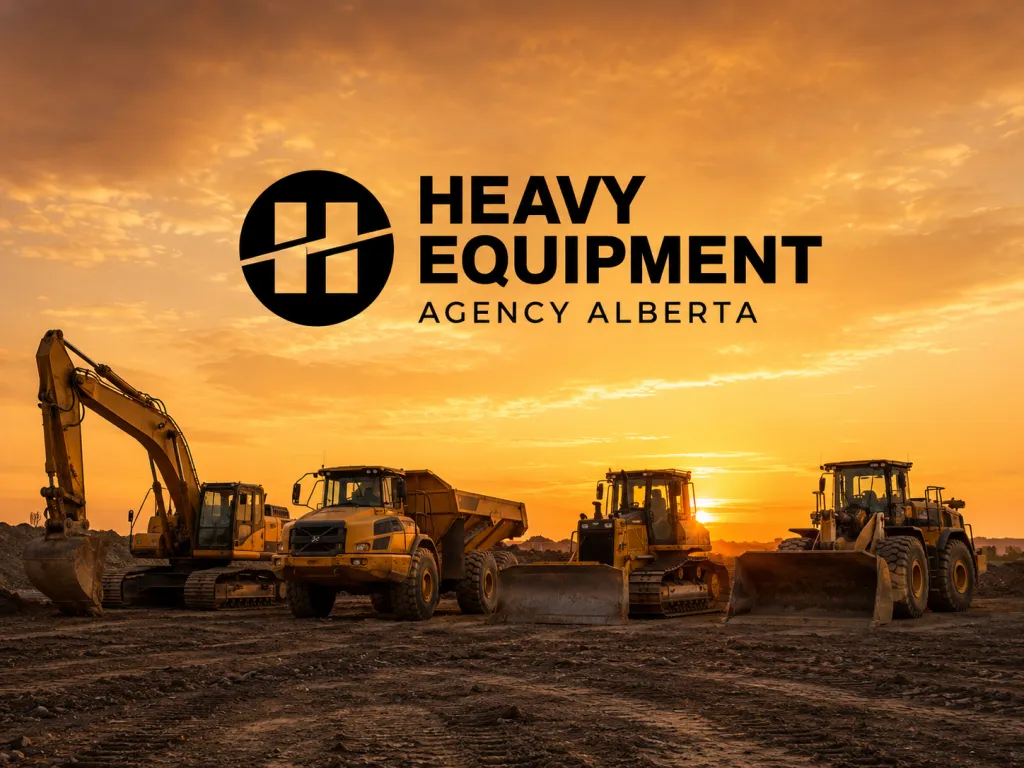
Every construction business runs into this question at least once before making a big decision: is it time to buy this equipment outright, or does renting make more sense? There’s no single right answer. A machine that pays for itself in a year for one contractor might sit half-used and lose value for another. The difference between buying and renting usually comes down to how often it’ll actually get used and how unpredictable the project pipeline looks.
Buying vs. renting construction equipment is a decision worth taking seriously, as it shapes cash flow, project timelines, and how a fleet grows over the years. Owning equipment means full control and a real asset on the books, but it also means carrying the upfront cost and the maintenance that comes with it. Renting keeps things flexible and takes maintenance off your plate, but lean on it too often for the same job, and the costs can quietly outpace what buying would have run.
This blog breaks down where each option actually earns its keep and the factors worth weighing before deciding, so the choice fits the business, not a rule of thumb someone else wrote.
Advantages of Buying Heavy Construction Equipment
Owning your own construction equipment changes how a business operates day to day. It’s not just about avoiding a rental invoice every time a job comes up. It’s about having a machine that’s yours to run however the work demands, without checking a heavy construction equipment buying agreement first or working around someone else’s availability.
For businesses that use the same equipment often, ownership tends to bring advantages that go well beyond the price tag. Here’s what you can expect when you buy instead of rent.
Long-Term Savings: If your team uses the same piece of equipment on a regular basis, buying it usually costs less over time. Heavy construction equipment rental fees don’t stop. Every job you use that machine on adds another charge to the total. Eventually, those charges add up to more than the equipment would have cost to purchase outright.
No Usage Restrictions: When you own the equipment, you decide how it gets used. There’s no daily rate to watch, no return date to plan around, and no rental agreement limiting what the machine can be used for. You run it on your schedule, not someone else’s terms.
Customization: You can modify equipment you own to fit the work you actually do. That might mean adding a permanent attachment, adjusting the setup for a specific application, or configuring the machine in a way a rental company would never allow. Owned equipment can be shaped around your business instead of the other way around.
Immediate Availability: Equipment you own is always there when you need it. You won’t lose a project to a scheduling conflict, and you won’t be stuck waiting during peak season when every rental company’s fleet is already booked out.
Asset Value: Buying construction equipment adds something real to your business – not just an expense. It becomes part of your company’s net worth while you’re using it, and if you ever decide to sell it, you can recover part of what you paid.
Potential Tax Benefits: Owning equipment can open up tax advantages, including deductions tied to depreciation. The details depend on your specific situation, so it’s worth talking to your tax professional to see what you qualify for.
Advantages of Renting Heavy Construction Equipment
Renting isn’t just a fallback option for businesses that can’t afford to buy. For a lot of contractors, it’s actually the smarter move, especially when a project’s needs don’t call for a long-term commitment to a single machine. Here’s what heavy construction equipment renting brings to the table.
Lower Initial Costs: Renting means you’re not tying up a large sum of money in a single purchase. That capital stays free for payroll, materials, or whatever else your business needs it for right now, instead of sitting in a machine you might only use a handful of times a year.
Flexibility: If your projects change from one job to the next, renting lets you pull in exactly the right machine for exactly the job in front of you. That matters most when work is seasonal or when a project calls for something specialized you wouldn’t otherwise need again for months or years.
Eliminates Maintenance Costs: When a rented machine breaks down or needs servicing, that’s the rental company’s problem to solve – not yours. You avoid the repair bills, the downtime, and the scramble to find a mechanic mid-project.
Access to the Latest Technology: Rental fleets get refreshed regularly, which means you’re often operating newer machines with better fuel efficiency and updated features than what you’d be running if you’d bought a few years back and held onto it.
Easier Logistics: Storage and transport are handled by the rental company. You’re not paying for a place to keep a machine when it’s not in use, and you’re not arranging your own trucking to get it to and from the site.
Reduced Monthly Costs: Renting keeps depreciation, storage, and transport costs off your books entirely. What you pay covers the use of the machine, not the ongoing expenses that come with owning one.
Key Factors That Should Guide the Decision
The advantages listed above only tell half the story. Whether buying or renting heavy construction equipment actually makes sense for your business comes down to a handful of specific factors, and the right answer looks different depending on how your operations actually run. Here’s what’s worth weighing before making the call.
Utilization Frequency
The first factor that should guide your decision is how often a specific machine would actually be in use, not just how often it might be handy to have around. Look at your upcoming job schedule and get a real estimate of hours or days of use per month. A piece of equipment running several days a week across multiple jobs tends to justify ownership. One that sits idle most months, brought out only for the occasional project, usually doesn’t.
Cash Flow and Capital Position
Buying ties up a significant amount of money in a single asset upfront. Before committing to that, take an honest look at what your business can absorb without straining payroll, materials, or other day-to-day costs. If capital is tight or unpredictable, renting heavy construction equipment keeps that money free to work elsewhere instead of sitting parked in a machine.
Storage and Maintenance Capacity
Owning construction equipment means somewhere to keep it and someone responsible for its upkeep. If your business doesn’t have secure storage space or an existing relationship with a mechanic, those gaps turn into real costs and real headaches down the line. Renting sidesteps both, since the equipment shows up, does the job, and leaves.
Project Variability
Figure out what your upcoming work actually requires. A business running the same type of job repeatedly benefits from having consistent equipment on hand. A business juggling different project types month to month often needs a different machine each time, and that’s where renting tends to win out over a fixed fleet.
Total Cost of Ownership
The purchase price is really just the starting point. Fuel, insurance, repairs, depreciation, and storage all add up over the life of a machine. Before deciding to buy, it’s worth totaling these costs across the years you’d expect to own the equipment, then comparing that number against what renting the same machine would cost over the same stretch of time.
Equipment Availability and Timing
Consider how much your business depends on having equipment ready the moment a job starts. If missing a rental window would delay a project or cost you a contract, ownership removes that risk entirely. If your schedule has a bit more give, the trade-off of occasionally waiting on a rental might be worth the lower cost and lighter responsibility.
Make the Right Call in Alberta
The buy-or-rent heavy construction equipment decision doesn’t happen in a vacuum. In Alberta, the construction season itself plays a role in how that decision plays out. Building activity tends to concentrate in a shorter window each year, with winter months slowing things down for a lot of outdoor projects. That seasonal rhythm affects utilization rate directly; a machine that runs hard for six months and then sits idle for the rest of the year doesn’t always make the same case for ownership as one used steadily across a longer stretch of work.
Project mix matters here too. A business handling a steady run of similar jobs might lean toward owning core equipment it can count on season after season. A business whose work shifts between residential, commercial, and infrastructure projects might find renting fits better for the machines it only needs occasionally.
This is where working with a dealer that offers both options actually helps. Heavy Iron Inc. has spent over 20 years serving contractors across Alberta with both sales and rental inventory, everything from skid steers and mini-excavators to a fleet of larger machines ranging from 5-ton to 90-ton. That means a business isn’t locked into one path before they’ve even worked out what fits. Buying vs. renting construction equipment doesn’t have to be a one-time, all-or-nothing choice, and having access to heavy equipment dealers across Alberta who carry real inventory in both categories makes that flexibility possible.
Conclusion
Put simply, there’s no universal answer to whether buying or renting heavy construction equipment is the better move, and anyone telling you otherwise is skipping the details that actually matter for your business. Ownership pays off when equipment runs steadily and often. Renting earns its place when project needs shift or capital is better spent elsewhere. For a lot of Alberta contractors, the real answer isn’t one or the other; it’s knowing which factors apply to which piece of equipment and being willing to make that call machine by machine, season by season.
That’s exactly where Heavy Iron Inc. can help. With over 20 years serving contractors across Alberta and a full range of heavy equipment for sales and rentals, from skid steers to 90-ton machines, we can walk you through what actually fits your fleet and your budget, not just push you toward one option. If you’re weighing your next equipment decision, give us a call or reach out through our site, and we’ll help you figure out what makes sense for the job ahead.
Frequently Asked Questions (FAQs)
1. Is it cheaper to rent or buy heavy equipment for a single project?
For a one-off job, renting is almost always cheaper since it avoids the upfront purchase cost and ongoing ownership expenses.
2. Can I switch from renting to owning equipment later on?
Yes, many businesses start by renting to test how often a machine gets used, then move to ownership once utilization justifies the purchase.
3. Does financing change the buy vs. rent comparison?
Financing lowers the upfront cost of buying, but monthly loan payments still add ongoing overhead, so it’s worth comparing those payments against rental rates for similar usage.
4. What happens if owned equipment breaks down mid-project?
Repairs and downtime become the owner’s responsibility, which is why budgeting for maintenance is an important part of any ownership decision.
5. Do rental agreements typically include operator training or support?
This varies by dealer, so it’s worth confirming with your rental provider whether training, delivery, or on-site support is included before signing.